Why CO2 actually helps fitness

Increased CO2 tolerance can be a sign of improved fitness, particularly in the context of endurance and respiratory efficiency, but it doesn’t directly make you fitter by itself. Here’s why:

  1. CO2 Tolerance and Respiratory Efficiency: When you exercise, your muscles produce carbon dioxide (CO2) as a byproduct. If you’re more tolerant of higher levels of CO2, it means your body is better at handling the buildup of this gas, which is often associated with improved respiratory efficiency and the ability to perform at higher intensities for longer periods.
  2. Respiratory Training: Training that focuses on improving CO2 tolerance, like certain types of breath-hold exercises or high-intensity interval training (HIIT), can enhance your body’s ability to manage CO2 and improve oxygen usage. Over time, this can contribute to better endurance, stamina, and overall cardiovascular fitness.
  3. Mental and Physical Endurance: Higher CO2 tolerance often correlates with better control over breathing patterns and a greater ability to stay calm under physical stress. This can be especially beneficial for athletes in sports requiring high levels of endurance, mental focus, and breath control, such as swimming, running, or even freediving.
  4. Fitness as a Broader Concept: Fitness encompasses a wide range of attributes, including strength, flexibility, endurance, and more. CO2 tolerance is just one aspect of the complex system of factors that contribute to overall fitness.

Summary: Increased CO2 tolerance can be a useful marker of improved fitness, particularly in endurance and respiratory efficiency, but it is just one component of overall fitness. To become fitter, it’s important to engage in a well-rounded exercise regimen that includes strength, flexibility, cardiovascular training, and proper nutrition.

My child won’t put their face in the water! HELP.

One of the biggest battles for children when learning to swim can be putting their face in the water. Whilst your swimming teacher will play lots of games to encourgae them its often just 5-6 minutes worth each week. Probably not enough of a stimulus to fix the issue.

However if you build some simple activitites into your childs nightly face cleaning routine , the issue could be fixed in as little as a week. No guarantees though. For some, its a battle!

Here as somew drills and games you can play with your child that can help them cope with horrible wet water! Yuk!

(I’ve posted the drills on Instagram. Click on the actual image below. If you click “view profile” or “andrewstemlerPT” you get taken to a general page, which Im sure is amazing, but not useful for finding these drills)

Kellogg’s All-Bran: A Balanced Fiber Review

I’ve been using Kellogg’s All-Bran for about a year and it’s sort of changed my life . No more “ difficult “ loo visits and it seems to balance my diet well . I’ve recommended it to many clients and they all report the same thing . However , there us some bad press about using wheat fibre , so I thought I’d write up this balanced review .

I hope it’s useful

All Bran is a highly concentrated source of dietary fiber, primarily derived from wheat bran. It is specifically marketed to support digestive health.

1. High Fiber Content:

• All-Bran is exceptionally high in fiber, containing approximately 12-13g of fiber per 40g serving, which covers a significant portion of the daily recommended intake (25g for women and 38g for men).

• The primary fiber type is insoluble fiber, which aids in bulking up stool and promoting regular bowel movements.

2. Nutritional Profile:

• In addition to fiber, All-Bran is often fortified with essential nutrients like iron and B vitamins, contributing to overall nutritional adequacy.

3. Low Fat and Calories:

• It is a low-calorie food, making it a suitable option for weight management when paired with a balanced diet.

Good Points About Wheat Fiber

1. Promotes Digestive Health:

• Wheat fiber is effective in relieving constipation and maintaining digestive regularity, as it absorbs water and adds bulk to stool.

2. Supports Weight Management:

• Foods high in fiber, such as All-Bran, promote satiety, which can reduce overeating.

3. May Reduce Disease Risk:

• A high-fiber diet has been linked to a reduced risk of heart disease, type 2 diabetes, and certain cancers (e.g., colorectal cancer).

4. Convenient and Easy to Use:

• All-Bran is ready to eat and can be easily added to meals, such as smoothies or yogurt, making it an effortless way to boost fiber intake.

Bad Points About Wheat Fiber

1. Digestive Discomfort:

• Insoluble fiber, such as that in All-Bran, can cause bloating, gas, or abdominal discomfort, especially if consumed in large amounts or introduced too quickly into the diet.

2. Phytates in Wheat Bran:

• Wheat bran contains phytates, which can bind to minerals like iron, zinc, and calcium, potentially reducing their absorption. This may be a concern for individuals relying heavily on wheat fiber for nutrition.

3. Gluten Content:

• Wheat bran is unsuitable for people with celiac disease or non-celiac gluten sensitivity, as it contains gluten.

4. Taste and Texture:

• The taste and coarse texture of All-Bran may not appeal to everyone, and some may find it unpalatable without additional ingredients like fruits or milk.

if there isnt any in your local shop, you can check out amazon

5. Added Sugar in Some Versions:

• Certain varieties of All-Bran may contain added sugars, which can reduce its health benefits if consumed excessively. Always check the nutrition label.

Kimchi.

About six months ago , the light of my life discovered Korean films on Netflix. Since then I’ve been bombarded with Korean history , Korean romance , Korean police dramas , Korean “ grim reapers “( it’s “ a thing “) Korean zombies and even Korean prison dramas .

The one theme they all have in common , is a focus on food ! In particular , they all mention kimchi . Eating it , making it , fermenting it , and serving it to others!

So what is Kimchi? Its highly nutritious and boasts numerous health benefits, thanks to its ingredients and fermentation process. Here are some reasons why kimchi is good for you!!

1. Rich in Probiotics

• Fermented foods like kimchi contain beneficial bacteria, such as Lactobacillus. These probiotics support gut health, improve digestion, and strengthen the immune system. Woo hoo!

2. Packed with Nutrients

• Kimchi is made with nutrient-rich ingredients like napa cabbage, radishes, garlic, ginger, and chili peppers. It provides vitamins A, B, C, and K, as well as essential minerals like calcium and potassium. All welcome in todays nutrient deprived diet

3. High in Antioxidants

• The vegetables and spices in kimchi are loaded with antioxidants, which help reduce inflammation and combat oxidative stress.

4. Supports Weight Management

• Kimchi is low in calories and high in fiber, making it a filling and healthy addition to meals. Some studies suggest probiotics in kimchi may support weight loss.

5. Promotes Heart Health

• Kimchi can help reduce cholesterol levels and improve blood pressure, likely due to its high fiber content and the presence of garlic, which contains allicin and selenium.

6. Boosts Immunity

• The probiotics and nutrients in kimchi strengthen the immune system, helping the body fight infections and illnesses.

7. May Improve Skin Health

• Kimchi’s antioxidants and probiotics can help maintain healthy skin by reducing inflammation and promoting good gut health, which is linked to clearer skin.

8. Supports Mental Health

• Gut health is closely linked to mental health. Probiotics in kimchi may positively influence mood and reduce symptoms of anxiety and depression.

Things to Keep in Mind

• Kimchi is often high in sodium, so individuals with high blood pressure or salt sensitivities should consume it in moderation.

• If you’re new to fermented foods, start with small portions to avoid digestive discomfort.

Kimchi is not only delicious but also a powerful functional food that can contribute to overall health when included in a balanced diet.

I’d say , give it a go . I should say that I’ve always like pickles so trying this was fun . My partner hates pickles , so this is all a bit traumatic for her !

I bought mine from the “ loon fung” store in Stratford but there are lots of options on Amazon

Unlock Strength: Benefits of Gymnastics Ring Training

Adding gymnastics ring training to your fitness regime offers numerous benefits that enhance strength, mobility, and overall fitness. I got my introduction to them in my crossfit certification back in 2005 in Santa Cruz. Ibve iused them ever since. Here are soe oif the reasons why they are so useful

1. Builds Functional Strength

Gymnastic rings require you to stabilize your body, engaging multiple muscle groups simultaneously. This develops functional strength that translates to everyday movements and other sports.

2. Enhances Core Stability

Every ring exercise activates your core for balance and control. This constant engagement strengthens your core muscles more effectively than many traditional exercises.

3. Improves Joint Health and Mobility

Ring training allows natural movement patterns, reducing strain on joints compared to fixed machines or bars. It also promotes greater joint mobility, especially in the shoulders.

4. Boosts Grip Strength

Holding onto unstable rings challenges your grip, leading to significant improvements in forearm and hand strength.

5. Offers Scalable Progression

Whether you’re a beginner or an advanced athlete, ring exercises can be scaled to your skill level. For example, you can start with ring rows and progress to advanced moves like muscle-ups or planches.

6. Builds Coordination and Balance

The instability of the rings demands improved coordination and body awareness, enhancing neuromuscular control.

7. Portable and Versatile

Rings are lightweight and easy to carry. You can set them up almost anywhere, making them a versatile tool for at-home or outdoor workouts.

8. Promotes Lean Muscle Development

Because ring training engages multiple muscle groups at once, it promotes lean muscle growth, resulting in a toned and athletic physique.

9. Challenges Mental Focus

Mastering movements like dips, levers, and muscle-ups requires mental focus and discipline, making it as much a mental workout as a physical one.

10. Adds Variety to Workouts

Incorporating rings prevents workout monotony and keeps training fresh and exciting with endless exercise variations. Certainly this was one of the motivations behind their early adoption by the Crossfit regime

Whether you aim to build strength, improve mobility, or challenge yourself in new ways, gymnastic rings are an excellent addition to any fitness program.

I noticed that Amazon has a reasonable selection of rings for sale. You ought to have your own pair.

Gravity fitness rings (amazon) £37.95
Or “breaking limits” (£34.95)


How Monitoring Blood Pressure Can Save Your Life

If the death of my father taught me one thing, its that regularly checking blood pressure is important !

A dirt cheap home blood pressure monitor helps you track your blood pressure and detect potential issues early.

Here are some specific reasons .

1. Early Detection of Hypertension: High blood pressure (hypertension) often has no symptoms but can lead to serious health problems, such as heart disease, stroke, and kidney damage. Regular monitoring helps catch it early. The problem is you can have hypertension without knowing. Well until its too late!

2. Prevent Complications: Uncontrolled blood pressure increases the risk of heart attack, stroke, and other life-threatening conditions. Monitoring helps manage and prevent these complications.

3. Track Medication Effectiveness: For individuals on blood pressure medication, regular checks ensure the treatment is working and adjustments can be made if necessary. Get yours here

4. Identify Lifestyle Impact: Tracking blood pressure helps evaluate how diet, exercise, stress management, and other lifestyle changes affect your health.

5. Monitor for Hypotension: Low blood pressure (hypotension) can also cause health issues like dizziness or fainting. Regular checks can detect and address this condition. a quality blood pressure monitor can be got from amazon for as little as £19.95

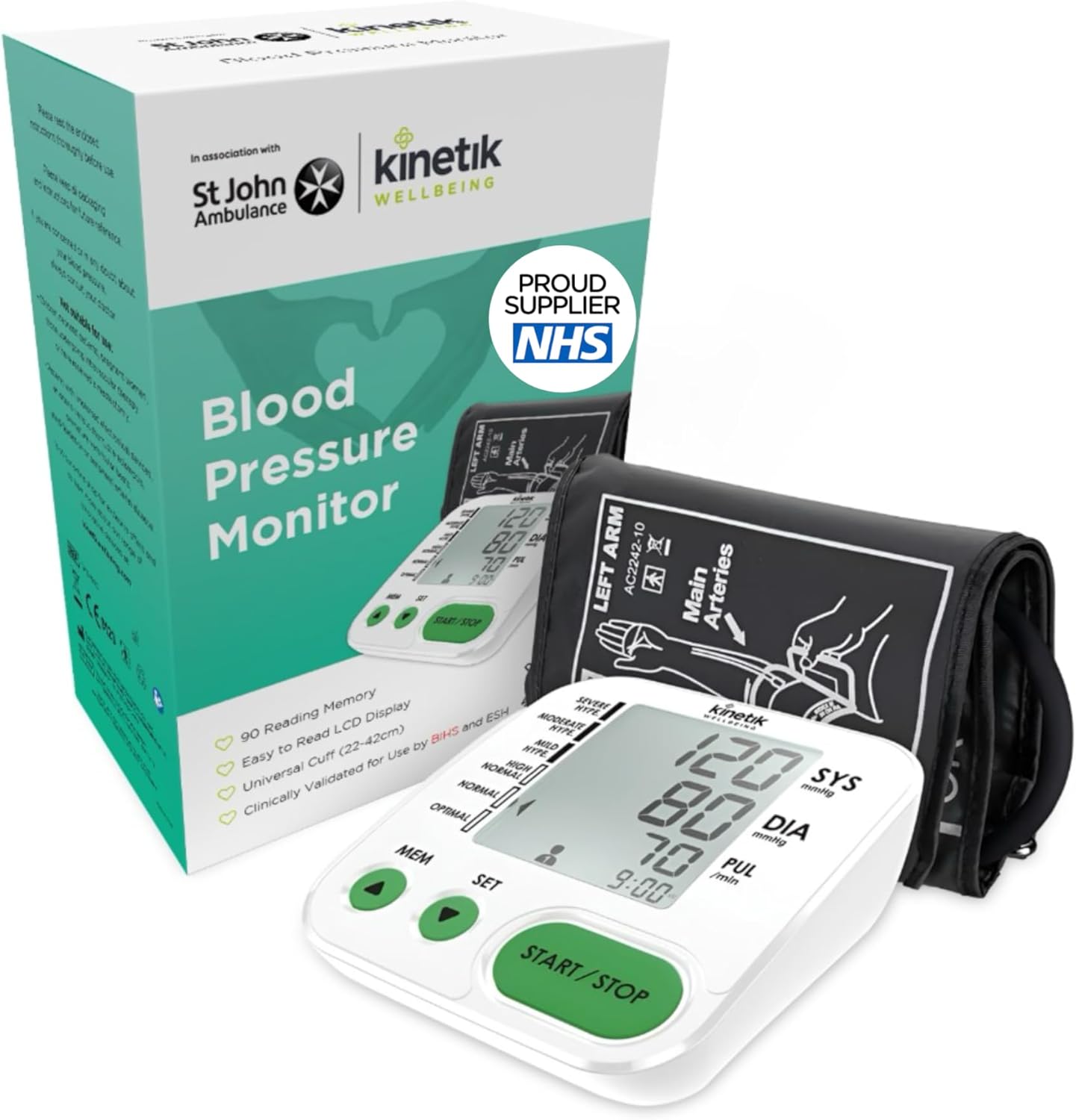
6. Family History of Hypertension: If, like me, you have a genetic predisposition to high blood pressure, regular monitoring is crucial to prevent complications. If I ever say my dad didn’t give me anything, call me out. He gave me Hypertension. However due to monitoring, controling my diet and exercise, my blood pressure is normally very healthy (about 100/60). And, I know because I have a well validated and accurate blood pressure monitor like this one

7. Aging: Blood pressure tends to increase with age, making regular checks essential for older adults. Lots of bad things can happen as you age, so its best to go into your 50’s, 60’s 70’s with lots of good stuff on your side

Blood pressure monitoring is often done when you can occassionally get to a doctors surgery. I think it needs regular monitoring. I now do mine twice a week. Initially, I monitored it every day as I found my blood pressure stupidly high. After some detective work, I found that things like coffee and salt really spike my blood pressure, so I now moderate my coffee and salt intake and my blood pressure is normally quite athletic.

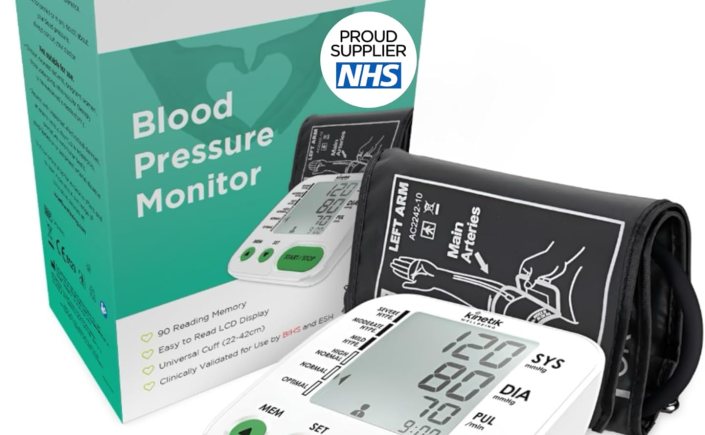
I have an blood pressure monitor thats not available anymore, but the enxt time i get one, im buying the Kinetik Wellbeing Home Use Blood Pressure Monitor – Used by the NHS – Fully Automatic Upper Arm Blood Pressure Machine with Universal Cuff (22-42cm), Digital Sphygmomanometer Tester Kit. on Amazon here.

Its stupidly easy to use, and as you can see, its used by the NHS and recommended by the St John Ambulance

Kinetik Wellbeing Home Use Blood Pressure Monitor - Used by the NHS - Fully Automatic Upper Arm Blood Pressure Machine with Universal Cuff (22-42cm), Digital Sphygmomanometer Tester Kit

Grip Strength: An Indispensable Biomarker For Older Adults

For those interested in fitness, training and Aging, looking up “Grip Strength: An Indispensable Biomarker For Older Adults” (PMCID: PMC6778477  PMID: 31631989) is time well spent.

Grip strength is closely asociated with “overall strength, upper limb function, bone mineral density, fractures, falls, malnutrition, cognitive impairment, depression, sleep problems, diabetes, multimorbidity, and quality of life.” There is aslo evidence “for a predictive link between grip strength and all-cause and disease-specific mortality, future function, bone mineral density, fractures, cognition and depression, and problems associated with hospitalization”

This suggests that the routine use of grip strength can be recommended as a” stand-alone measurement or as a component of a small battery of measurements for identifying older adults at risk of poor health status”

If you fancy building your grip, here are a few ideas

Whats the least you can do to get strong?

for the lazier of my readers

The paper “Minimum Effective Training Dose Required for 1RM Strength in Powerlifters” (PMC34527944 Patroklos Androulakis-Korakakis  et al) explores the concept of the “Minimum Effective Training Dose” (METD). Basically, what is the least you can do to boost strength.

After numerous tests and interviews, they concluded

You can expect to gain strength by doing:3-6 working sets of 1-5 repetitions each week, with these sets spread across 1-3 sessions per week per powerlift, using loads above 80% 1RM at a Rate of Perceived Exertion (RPE) of 7.5-9.5 for 6-12 weeks.

If that was too much its possible to perform autoregulated single repetition sets at an RPE of 9-9.5 though strength gains will be less likely to be meaningful.

However, the addition of 2-3 back-off sets at ~80% of the single repetitions load, may produce greater gains over 6 weeks while following a 2-3-1 squat-bench press-deadlift weekly training frequency.

it was observed that when utilizing accessory exercises in the context of METD, PL athletes typically utilize 1-3 accessory exercises per powerlift, at an RPE in the range of 7-9 and utilize a repetition range of ~6-10 repetitions.

Benefits of Isometric Exercises for Strength Training

a fit and strong looking man holding a static plank position

Isometric exercises are effective for building strength because they involve muscle contractions without any movement, focusing on holding a position under tension. Here are a few reasons why they are beneficial for strength:

1. Increased Muscle Activation: Isometric exercises engage multiple muscle fibers to maintain a static position, enhancing muscle recruitment and activation, which leads to strength gains.

2. Improved Joint Stability: By holding a position, isometric exercises help strengthen the stabilizing muscles around joints, improving overall joint stability and reducing the risk of injury.

3. Target Weak Points: Isometrics can be used to strengthen specific points in a range of motion where someone might be weaker, such as holding a plank to work on core stability or holding a squat to target leg strength.

4. Minimal Equipment Required: Since these exercises don’t require dynamic movement, they often don’t need equipment, making them accessible and convenient.

5. Lower Risk of Injury: Isometric exercises put less stress on joints and tendons compared to dynamic movements, making them a safer option, especially for rehabilitation or injury prevention.

Isometric training complements dynamic strength training, making it a valuable addition to an overall fitness routine.

Harmful Effects of Coffee: What You Need to Know

a mug of freshly brewed coffee, surrounded by coffee beans. It looks delicious!

Introduction:
Coffee, with its rich aroma and energizing properties, has become an integral part of many people’s daily routines. However, it is crucial to understand that while coffee can provide a temporary boost, excessive consumption of caffeine can have detrimental effects on our health. In this blog post, we will explore the scientific evidence behind the harmful health effects of coffee and caffeine, supported by academic reports.

1. Disrupted Sleep Patterns:
Numerous studies have shown that caffeine intake, especially in the evening, can disrupt sleep patterns. According to a study published in the Journal of Clinical Sleep Medicine, consuming caffeine within six hours of bedtime significantly reduces total sleep time and impairs sleep quality. This disruption can lead to daytime drowsiness, decreased cognitive function, and an increased risk of accidents.

2. Increased Anxiety and Stress:
Caffeine acts as a stimulant, triggering the release of stress hormones such as cortisol and adrenaline. While moderate caffeine consumption may provide a temporary mood boost, excessive intake can lead to increased anxiety and stress levels. A study published in the Journal of Psychopharmacology found that high caffeine consumption was associated with increased anxiety symptoms in individuals with pre-existing anxiety disorders.

3. Digestive Issues:
Coffee, particularly when consumed in large quantities, can have adverse effects on the digestive system. Caffeine stimulates the production of stomach acid, which can lead to acid reflux, heartburn, and gastrointestinal discomfort. Additionally, excessive coffee consumption can act as a diuretic, increasing the frequency of urination and potentially leading to dehydration.

4. Dependency and Withdrawal Symptoms:
Regular consumption of caffeine can lead to dependency, as the body becomes accustomed to its effects. Abruptly reducing or eliminating caffeine intake can result in withdrawal symptoms such as headaches, fatigue, irritability, and difficulty concentrating. A study published in the Journal of the American Medical Association highlighted the prevalence of caffeine withdrawal symptoms among habitual coffee drinkers.

5.

Unfiltered coffee, such as French press or Turkish coffee, contains higher levels of certain compounds that can raise cholesterol and blood pressure. These compounds include cafestol and kahweol, which are naturally present in coffee oils. When consumed in unfiltered coffee, these compounds can increase the levels of LDL (bad) cholesterol in the blood, which may contribute to the development of cardiovascular issues. I talk about this in depth here

Additionally, unfiltered coffee can also temporarily raise blood pressure due to its caffeine content. Caffeine is a stimulant that can cause a short-term increase in blood pressure levels. However, it’s important to note that the effect of coffee on blood pressure can vary depending on individual sensitivity and overall health.

It’s worth mentioning that filtered coffee, such as drip coffee or espresso, typically contains lower levels of cafestol and kahweol due to the use of paper filters. Therefore, filtered coffee may have a lesser impact on cholesterol and blood pressure compared to unfiltered coffee.

Conclusion:
While coffee and caffeine can provide a temporary energy boost, it is essential to be aware of their potential harmful health effects. Academic reports have consistently highlighted the negative impact of excessive caffeine consumption on sleep patterns, anxiety levels, digestive health, and the development of dependency and withdrawal symptoms. Moderation is key when it comes to coffee and caffeine intake, and individuals should consider their own tolerance and sensitivity to caffeine. As with any dietary choice, it is always advisable to consult with a healthcare professional for personalized advice.

References:
1. Drake, C., Roehrs, T., Shambroom, J., & Roth, T. (2013). Caffeine effects on sleep taken 0, 3, or 6 hours before going to bed. Journal of Clinical Sleep Medicine, 9(11), 1195-1200.
2. Bruce, M. S., Lader, M., & Wing, L. (1992). Caffeine abstention in the management of anxiety disorders. Psychological Medicine, 22(04), 961-969.
3. Boekema, P. J., Samsom, M., van Berge Henegouwen, G. P., & Smout, A. J. (1999). Coffee and gastrointestinal function: facts and fiction. A review. Scandinavian Journal of Gastroenterology, 34(s230), 35-39.
4. Juliano, L. M., & Griffiths, R. R. (2004). A critical review of caffeine withdrawal: empirical validation of symptoms and signs, incidence, severity, and associated features. Psychopharmacology, 176(1), 1-29.

Improve Your Breath Holding: From 45 Seconds to 2 Minutes

I was asked recently how to improve your breath holding capacity from 45 seconds to 2 minutes

Here are some training ideas that focuses on improving lung capacity, diaphragmatic strength, and your ability to tolerate higher levels of carbon dioxide (CO₂). This is a gradual process, and it’s important to stay relaxed and avoid overexertion during the exercises. Here’s a structured plan to help you achieve this goal:

Daily Training Regime (15-30 minutes per day)

  1. Warm-Up (5-7 minutes) • Deep Breathing (2 minutes):
    • Sit or lie down comfortably. Inhale deeply through your nose for 4 seconds, hold for 2 seconds, then exhale slowly through your mouth for 6 seconds. Repeat for 2 minutes. This will help relax your mind and body while improving your lung capacity.
    • Diaphragmatic Breathing (3 minutes):
    • Place one hand on your chest and the other on your abdomen. Breathe deeply through your nose, expanding your diaphragm (your belly should rise, not your chest). Exhale slowly through pursed lips. Practice slow and controlled breathing for 3 minutes to strengthen your diaphragm.
  2. CO₂ Tolerance Training (5-10 minutes)

This helps you build tolerance to higher levels of CO₂, allowing you to hold your breath for longer without feeling the urge to breathe.• CO₂ Tables (4-6 rounds): • Inhale deeply and hold your breath for as long as you comfortably can (start with 30-40 seconds). After each hold, take a recovery breath for 1-2 minutes, gradually reducing your recovery time by 10-15 seconds each round. • Example: 30-second hold, 1:30 recovery, then 30-second hold, 1:15 recovery, and so on. Repeat for 4-6 rounds. Over time, increase your breath-hold duration and decrease your recovery time.

  1. Breath-Hold Training (8-10 minutes)

This helps condition your body to hold your breath for longer durations.• Static Breath Holds (5-6 rounds): • Take 3-5 deep breaths, then exhale about 80% of your air and hold your breath for as long as possible (comfortably). • Between each breath-hold, take a full 1-2 minute recovery with slow, relaxed breaths. Aim to hold your breath longer with each round. • Gradually extend your holds (start with 45-60 seconds and increase toward 2 minutes over time).

  1. Lung Capacity and Strength (5-7 minutes) • Pursed Lip Breathing (2 minutes):
    • Inhale deeply through your nose, and then exhale slowly through pursed lips as if you’re blowing through a straw. This strengthens your lungs and improves air exchange.
    • “Box Breathing” or “4-4-4-4” Breathing (3-5 minutes):
    • Inhale for 4 seconds, hold your breath for 4 seconds, exhale for 4 seconds, then hold your breath again for 4 seconds. Repeat for 3-5 minutes. This helps increase your breath control and lung capacity.

Other Tips:• Consistency: Train daily but avoid overexerting. Focus on steady, gradual progress. • Stay Relaxed: Avoid tensing up during breath holds. Relax your body, especially your diaphragm and chest. • Hydration and Diet: Staying hydrated helps keep your lungs in optimal condition. A healthy diet rich in antioxidants can improve respiratory health. • Mindset: Mental relaxation is crucial during breath-holds. Practice mindfulness or meditation to calm your mind and manage the urge to breathe.

Weekly Progression:• Week 1: Get comfortable with 45-60 second holds. • Week 2: Aim for 60-90 second holds. • Week 3: Push towards 90 seconds to 2-minute holds. • Week 4+: Continue refining your technique, maintaining relaxation, and extending your breath-holds as you approach 2 minutes.

By consistently following this training routine, you should gradually increase your breath-holding capacity and reach your goal of holding your breath for 2 minutes.