Will power. Muscle not brain.

Willpower: Unveiling its Muscle-like Nature
In our pursuit of personal growth and success, willpower often plays a crucial role. It is commonly believed that willpower is a skill that can be honed through practice and discipline. However, recent research suggests that willpower is more akin to a muscle that can be strengthened and fatigued. This blog post aims to explore the concept of willpower as a muscle, supported by academic references.

Understanding Willpower as a Muscle:
Willpower can be defined as the ability to resist short-term temptations in order to achieve long-term goals. Just like a muscle, it can be trained, depleted, and strengthened over time. This muscle analogy provides a useful framework for understanding the dynamics of willpower.

1. Baumeister and Heatherton (1996):
Baumeister and Heatherton conducted a seminal study that compared willpower to a muscle. They found that individuals who exerted self-control in one task experienced a subsequent decrease in self-control in a subsequent task. This depletion effect suggests that willpower, like a muscle, can become fatigued with use.

2. Muraven, Baumeister, and Tice (1999):
In another study, Muraven, Baumeister, and Tice explored the concept of willpower depletion further. They found that participants who resisted eating tempting chocolates performed worse on subsequent cognitive tasks compared to those who did not exert self-control. This study provides evidence that willpower depletion can extend beyond the specific domain of self-control.

3. Job, Dweck, and Walton (2010):
Job, Dweck, and Walton investigated the malleability of willpower through a series of experiments. They found that individuals who believed willpower was a limited resource experienced more self-control failures compared to those who believed it was a flexible and trainable trait. This study highlights the importance of mindset in developing and maintaining willpower.

Building Willpower Muscle:
Similar to building physical muscles, there are strategies to enhance and strengthen our willpower:

1. Gradual Progression:
Start with small, manageable challenges and gradually increase the difficulty. This approach allows the willpower muscle to adapt and grow stronger over time.

2. Rest and Recovery:
Just as muscles need rest to recover and grow, willpower also requires adequate rest. Engaging in activities that replenish mental energy, such as relaxation techniques or hobbies, can help restore willpower.

3. Mindfulness and Self-awareness:
Developing mindfulness and self-awareness can help individuals recognize their triggers for self-control depletion. By identifying these triggers, individuals can proactively manage their willpower resources.

Conclusion:
Willpower, often considered a skill, is better understood as a muscle that can be trained and strengthened. Academic research supports the notion that willpower can be depleted and restored, similar to the dynamics of a muscle. By adopting strategies to build and maintain this muscle, individuals can enhance their self-control and achieve their long-term goals.

References:
1. Baumeister, R. F., & Heatherton, T. F. (1996). Self-regulation failure: An overview. Psychological Inquiry, 7(1), 1-15.
2. Muraven, M., Baumeister, R. F., & Tice, D. M. (1999). Longitudinal improvement of self-regulation through practice: Building self-control strength through repeated exercise. Journal of Social Psychology, 139(4), 446-457.
3. Job, V., Dweck, C. S., & Walton, G. M. (2010). Ego depletion—Is it all in your head? Implicit theories about willpower affect self-regulation. Psychological Science, 21(11), 1686-1693.


Harnessing the Power of Sunlight: How Sun Exposure Boosts Fitness and Health

Introduction:
In our modern, fast-paced lives, it’s easy to overlook the simple yet powerful benefits of sunlight exposure. Beyond its role in providing warmth and light, sunlight plays a crucial role in building fitness and promoting overall health. In this article, we will explore the various ways in which sunlight exposure positively impacts our well-being and discuss the importance of incorporating it into our daily routines.

1. Vitamin D Synthesis:
One of the primary benefits of sunlight exposure is its ability to stimulate the production of vitamin D in our bodies. Vitamin D is essential for maintaining healthy bones and teeth, as it aids in the absorption of calcium and phosphorus. Regular exposure to sunlight can help prevent conditions like osteoporosis and rickets, particularly in regions with limited sunlight during certain seasons.

2. Mood Enhancement:
Have you ever noticed how a sunny day instantly lifts your spirits? Sunlight exposure triggers the release of serotonin, a neurotransmitter responsible for regulating mood. Increased serotonin levels can help alleviate symptoms of depression, reduce stress, and improve overall mental well-being. Spending time outdoors in the sunlight can be an effective natural remedy for boosting your mood and combating seasonal affective disorder (SAD).

3. Sleep Regulation:
Sunlight exposure also plays a crucial role in regulating our sleep-wake cycle, also known as the circadian rhythm. Exposure to natural light during the day helps synchronize our internal body clock, promoting better sleep quality at night. By getting enough sunlight during the day, you can improve your sleep patterns, enhance alertness during the day, and reduce the risk of sleep disorders.

4. Immune System Support:
Did you know that sunlight exposure can strengthen your immune system? Sunlight stimulates the production of white blood cells, which are essential for fighting off infections and diseases. Additionally, sunlight exposure has been linked to a reduction in autoimmune disorders such as multiple sclerosis and rheumatoid arthritis. However, it’s important to strike a balance and avoid excessive sun exposure, as it can lead to sunburn and increase the risk of skin cancer.

5. Physical Fitness and Performance:
Regular exposure to sunlight can have a positive impact on physical fitness and performance. Sunlight stimulates the production of nitric oxide in the body, which helps improve blood circulation and oxygen delivery to muscles. This can enhance athletic performance, increase endurance, and aid in post-workout recovery. Additionally, spending time outdoors in natural light can motivate individuals to engage in physical activities such as walking, jogging, or cycling, leading to improved overall fitness levels.

In practical terms, Parikh et al. found that skin exposure to afternoon sunlight for about 30 minutes (such as by wearing shorts and short-sleeved t-shirts) increased testosterone, estrogen, mood, and libido in both men and women. To follow their protocol, get outside in shorts/t-shirts for ~20-30 minutes in the afternoon, 2-3x per week minimum. (Don’t sunburn!). Arguably, that’s the best time to do your sun salutation

Conclusion:
Sunlight exposure is not just about enjoying the great outdoors; it is a vital component of building fitness and maintaining good health. From promoting vitamin D synthesis and mood enhancement to regulating sleep patterns and supporting the immune system, the benefits of sunlight are numerous. However, it’s crucial to strike a balance and practice sun safety measures to avoid overexposure. So, make it a point to step outside, soak up some sunlight, and reap the incredible benefits it offers for your fitness and well-being.

Should you add isometrics to your training ?

In the realm of fitness and strength training, there’s a hidden gem that’s been gaining traction for its remarkable benefits – isometric training. If you’re on a journey to enhance your physical prowess and overall health, integrating isometric exercises into your routine might be the missing piece you’ve been searching for. In this article, we’ll delve into the advantages of including an isometric regime into your training, and how it can help you reach your fitness goals faster than you ever imagined.

  1. Understanding Isometric Training

Before we dive into the benefits, let’s clarify what isometric training is all about. Unlike traditional resistance exercises that involve moving a weight, isometric exercises involve holding a static position without any visible movement. This might include planks, wall sits, or even pushing against an immovable object. The key here is the contraction of muscles without changing the muscle length.

  1. Efficient Use of Time

In our fast-paced lives, time is of the essence. Isometric training offers a solution by providing efficient workouts that yield impressive results. Since isometric exercises can be done anywhere and require minimal to no equipment, you can integrate them seamlessly into your daily routine. Spending just 10-15 minutes on isometric exercises can target multiple muscle groups, making your workout time highly productive.

  1. Increased Muscle Endurance

Isometric exercises challenge your muscles to maintain a contraction for an extended period. This prolonged muscle engagement leads to increased muscle endurance. Improved muscle endurance not only helps you power through your workouts but also enhances your overall physical performance in various activities, from running to sports.

  1. Joint Stability and Injury Prevention

Isometric training focuses on stabilizing muscles and joints. By holding static positions, you engage smaller, stabilizing muscles that are often neglected in traditional exercises. This contributes to better joint stability and reduces the risk of injuries. Stronger stabilizers mean a more balanced physique, which can have a positive impact on your posture and daily movements.

  1. Plateau Buster

If you’ve hit a plateau in your strength gains, isometric training can be a game-changer. The unique nature of isometric exercises challenges your muscles in a different way compared to traditional dynamic movements. This variety can help break through plateaus and spark new muscle growth.

  1. Time-Under-Tension for Muscle Growth

Isometric exercises create prolonged time-under-tension for your muscles, which is a key factor in muscle growth. The sustained contractions recruit more muscle fibers and increase metabolic stress, promoting hypertrophy (muscle growth). Incorporating isometric exercises alongside your regular routine can lead to well-rounded muscle development.

  1. Convenience and Minimal Equipment

One of the most enticing aspects of isometric training is its versatility. You can perform these exercises virtually anywhere – at home, in the office, or even during travel. The need for minimal to no equipment means you’re not dependent on a gym, making it an accessible option for all fitness levels.

Conclusion: Elevate Your Fitness Journey with Isometric Training

Incorporating isometric exercises into your training regimen can open up a world of benefits that traditional exercises might not offer. From increased muscle endurance and joint stability to breaking plateaus and convenient workouts, isometric training is a powerful tool that deserves a place in your fitness routine. As you embark on this exciting journey of strength and balance, remember to start slowly, focus on proper form, and gradually challenge yourself to reach new heights of fitness.

Tiny Habits

The Tiny Habits process, developed by BJ Fogg, is a method for behavior change that focuses on making small, sustainable adjustments to our daily routines. It operates on the principle that by starting with tiny, easily achievable actions, we can create lasting habits.

However, the new habit has to be something you want to do, not something you are obliged to do and shockingly, you have to celebrate after each performance!!

The process consists of several steps:

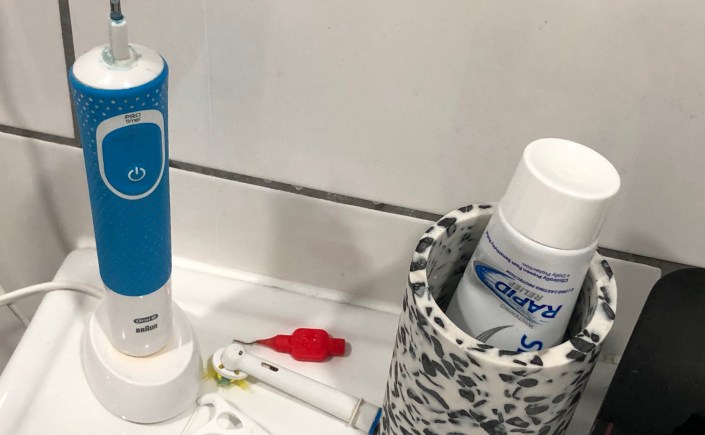
1. Identify the target behavior you want to do: often flossing your teeth is used as an example.

2. Define a tiny version of the behavior: Break down the behavior into a small, simple action that takes less than 30 seconds to complete. Using flossing your teeth, you would floss one tooth only.

3. Anchor the new behavior to an existing habit: Find an existing habit or routine that you already do consistently. Use this habit as a trigger or cue to remind yourself to perform the tiny behavior. thinking about flossing your teeth, its logical to anchor this to brushing your teeth

4. You need to look carefully at your anchor process and ask yourself what is the last part of brushing your teeth. This is called the trailing edge. Some spit then put their toothbrush down. It makes sense to have your floss right by where you put your toothbrush which is super easy to immediately pick up.

5. You now floss one tooth! You now celebrate! Maybe you punch the air, go “yaay”, or maybe you give yourself a pat!

6. To set up the habit you basically say, when I put my toothbrush down I’ll pick up my floss, floss one tooth, then celebrate.

7. Once you have flossed one tooth and celebrated, obviously you can go on to floss them all if you want to, BUT to develop the habit, all you NEED to do, and MUST do is the tiny habit.

Weirdly you’ll find this process can help you unlock many benefits beyond just the habit you have targeted. The mistakes you will make are: not identifying the trailing edge of your anchor habit, you’ll make the habit way too big, and because you are shy, you’ll think that celebrating is silly.