Why CO2 actually helps fitness

Increased CO2 tolerance can be a sign of improved fitness, particularly in the context of endurance and respiratory efficiency, but it doesn’t directly make you fitter by itself. Here’s why:

  1. CO2 Tolerance and Respiratory Efficiency: When you exercise, your muscles produce carbon dioxide (CO2) as a byproduct. If you’re more tolerant of higher levels of CO2, it means your body is better at handling the buildup of this gas, which is often associated with improved respiratory efficiency and the ability to perform at higher intensities for longer periods.
  2. Respiratory Training: Training that focuses on improving CO2 tolerance, like certain types of breath-hold exercises or high-intensity interval training (HIIT), can enhance your body’s ability to manage CO2 and improve oxygen usage. Over time, this can contribute to better endurance, stamina, and overall cardiovascular fitness.
  3. Mental and Physical Endurance: Higher CO2 tolerance often correlates with better control over breathing patterns and a greater ability to stay calm under physical stress. This can be especially beneficial for athletes in sports requiring high levels of endurance, mental focus, and breath control, such as swimming, running, or even freediving.
  4. Fitness as a Broader Concept: Fitness encompasses a wide range of attributes, including strength, flexibility, endurance, and more. CO2 tolerance is just one aspect of the complex system of factors that contribute to overall fitness.

Summary: Increased CO2 tolerance can be a useful marker of improved fitness, particularly in endurance and respiratory efficiency, but it is just one component of overall fitness. To become fitter, it’s important to engage in a well-rounded exercise regimen that includes strength, flexibility, cardiovascular training, and proper nutrition.

How Breath-Holding Boosts Cardiovascular Fitness

Breath-holding can improve cardiovascular fitness through several physiological mechanisms. Here’s how it works:

1. Increased Oxygen Efficiency:

  • During breath-holding, your body has to manage the available oxygen more efficiently. Over time, this can lead to improved oxygen utilization by tissues, particularly muscles. This adaptation can improve your overall endurance and cardiovascular efficiency, as your body becomes better at using oxygen during physical activity.

2. Stronger Respiratory Muscles:

  • Holding your breath challenges your respiratory muscles, including the diaphragm and intercostal muscles. These muscles need to work harder to maintain lung capacity and control the release of air. Strengthening these muscles contributes to better breathing efficiency during exercise, which is crucial for cardiovascular fitness.

3. Increased CO2 Tolerance:

  • Breath-holding increases the levels of carbon dioxide (CO2) in the blood. This buildup can enhance your body’s tolerance to CO2, which is beneficial during intense physical activities where CO2 levels rise. A higher tolerance can delay the onset of breathlessness, allowing you to sustain exercise longer.

4. Enhanced Blood Circulation:

  • The temporary cessation of breathing increases blood pressure as your body responds to the lack of oxygen and buildup of CO2. This can lead to improved blood circulation as your cardiovascular system adapts to these conditions. Over time, this can improve the efficiency of your heart and blood vessels, contributing to better cardiovascular health.

5. Stimulation of the Parasympathetic Nervous System:

  • Controlled breath-holding activates the parasympathetic nervous system, which helps to lower heart rate and promote relaxation. This practice can lead to a more balanced autonomic nervous system, where your body can more effectively switch between states of rest and activity. A well-balanced nervous system supports overall cardiovascular health by maintaining healthy heart rhythms and reducing stress on the heart.

6. Improved Mental Focus and Stress Management:

  • Breath-holding exercises often require mental discipline and focus, which can help reduce stress. Lower stress levels can lead to lower blood pressure and reduced strain on the cardiovascular system, contributing to better overall heart health.

By regularly practicing controlled breath-holding exercises, such as those found in certain yoga practices or free diving training, you can gradually improve these aspects of cardiovascular fitness. However, it’s essential to approach breath-holding exercises cautiously and progressively to avoid risks such as dizziness, blackouts, or other potential dangers, especially if done unsupervised or without proper training.

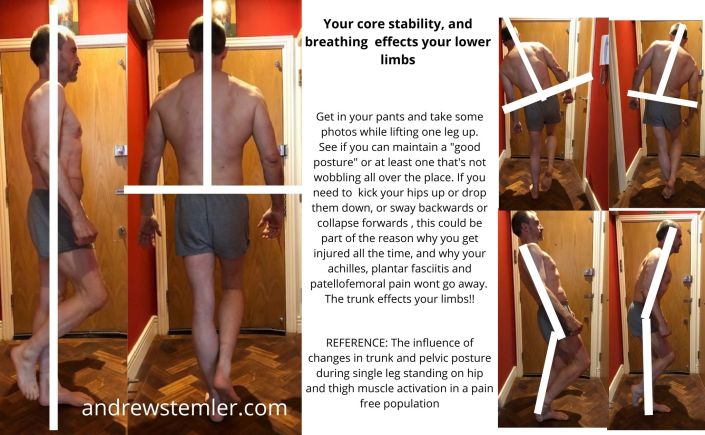
Why does your leg hurt again?

There are hundreds and thousands of therapists and trainers, that, when confronted with your hurting hamstring or your terrorised tendon will simply dive in and rub that bit! Maybe they will give you a specific stretch and maybe a reassuring “There there, therapist kiss it better”

The reality is that your body is a global system and highly interrelated. Leg issues can be caused by core issues, how you chew your food can screw your knee!

Continue reading

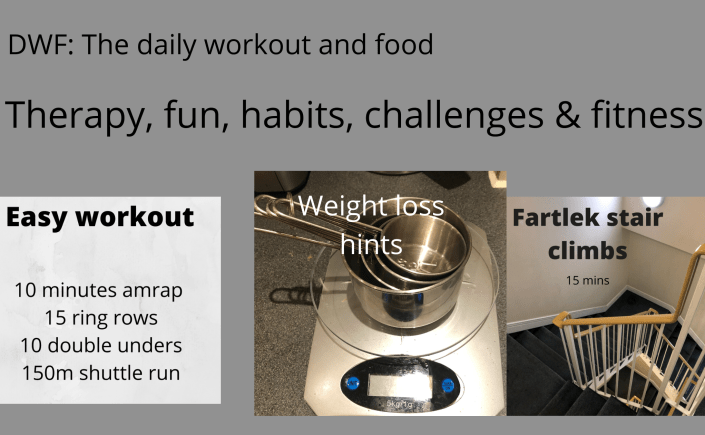
DWF: 3 day metabolic conditioning cycle, fixing pain, weight loss stuff!

The DWF, or daily workout and food is aimed at giving you some basic conditioning ideas. For some it’s the only thing they do, for many it’s just part of your training day.

Most days you also need to work on skill ( I often focus on gymnastics), Strength and therapy drills: I need always focus on my vulnerability to Plantar fasciitis, Patello-femoral and back pain. By having a sensible self applied therapy regime, you can stop the problems before they start.

Continue reading

Breathing and peak flow

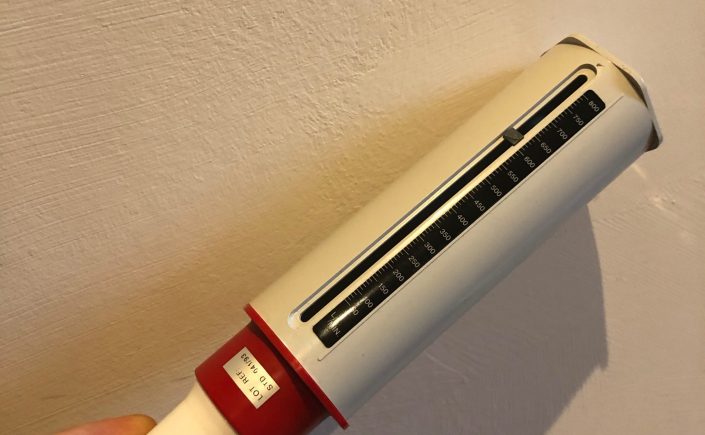
Before anyone starts criticising your breathing and setting you weird breathing exercises, make sure they have at the least taken a peak flow reading. This is where you puff down a tube and compare the reading with your height, so you can monitor your lung function. There are too many trainers hanging around who attended an online course and are now taping peoples mouths up while exercising with very little assessment of the science behind it.

Make sure they do some basic assessments first. The peak flow meter is one of those basic tests! You may need breathing drills.

Continue reading