How Monitoring Blood Pressure Can Save Your Life

If the death of my father taught me one thing, its that regularly checking blood pressure is important !

A dirt cheap home blood pressure monitor helps you track your blood pressure and detect potential issues early.

Here are some specific reasons .

1. Early Detection of Hypertension: High blood pressure (hypertension) often has no symptoms but can lead to serious health problems, such as heart disease, stroke, and kidney damage. Regular monitoring helps catch it early. The problem is you can have hypertension without knowing. Well until its too late!

2. Prevent Complications: Uncontrolled blood pressure increases the risk of heart attack, stroke, and other life-threatening conditions. Monitoring helps manage and prevent these complications.

3. Track Medication Effectiveness: For individuals on blood pressure medication, regular checks ensure the treatment is working and adjustments can be made if necessary. Get yours here

4. Identify Lifestyle Impact: Tracking blood pressure helps evaluate how diet, exercise, stress management, and other lifestyle changes affect your health.

5. Monitor for Hypotension: Low blood pressure (hypotension) can also cause health issues like dizziness or fainting. Regular checks can detect and address this condition. a quality blood pressure monitor can be got from amazon for as little as £19.95

6. Family History of Hypertension: If, like me, you have a genetic predisposition to high blood pressure, regular monitoring is crucial to prevent complications. If I ever say my dad didn’t give me anything, call me out. He gave me Hypertension. However due to monitoring, controling my diet and exercise, my blood pressure is normally very healthy (about 100/60). And, I know because I have a well validated and accurate blood pressure monitor like this one

7. Aging: Blood pressure tends to increase with age, making regular checks essential for older adults. Lots of bad things can happen as you age, so its best to go into your 50’s, 60’s 70’s with lots of good stuff on your side

Blood pressure monitoring is often done when you can occassionally get to a doctors surgery. I think it needs regular monitoring. I now do mine twice a week. Initially, I monitored it every day as I found my blood pressure stupidly high. After some detective work, I found that things like coffee and salt really spike my blood pressure, so I now moderate my coffee and salt intake and my blood pressure is normally quite athletic.

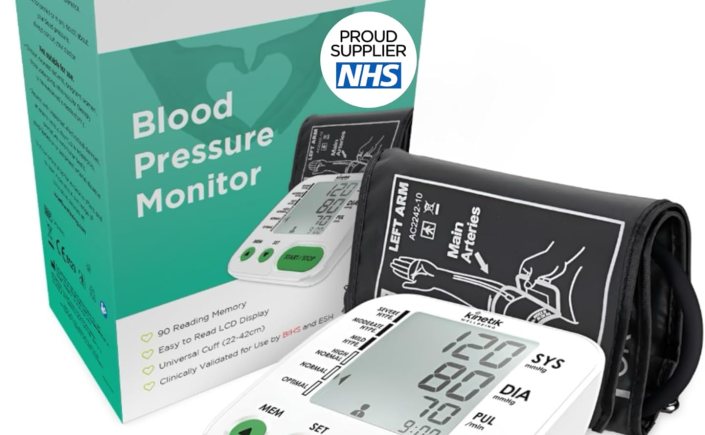
I have an blood pressure monitor thats not available anymore, but the enxt time i get one, im buying the Kinetik Wellbeing Home Use Blood Pressure Monitor – Used by the NHS – Fully Automatic Upper Arm Blood Pressure Machine with Universal Cuff (22-42cm), Digital Sphygmomanometer Tester Kit. on Amazon here.

Its stupidly easy to use, and as you can see, its used by the NHS and recommended by the St John Ambulance
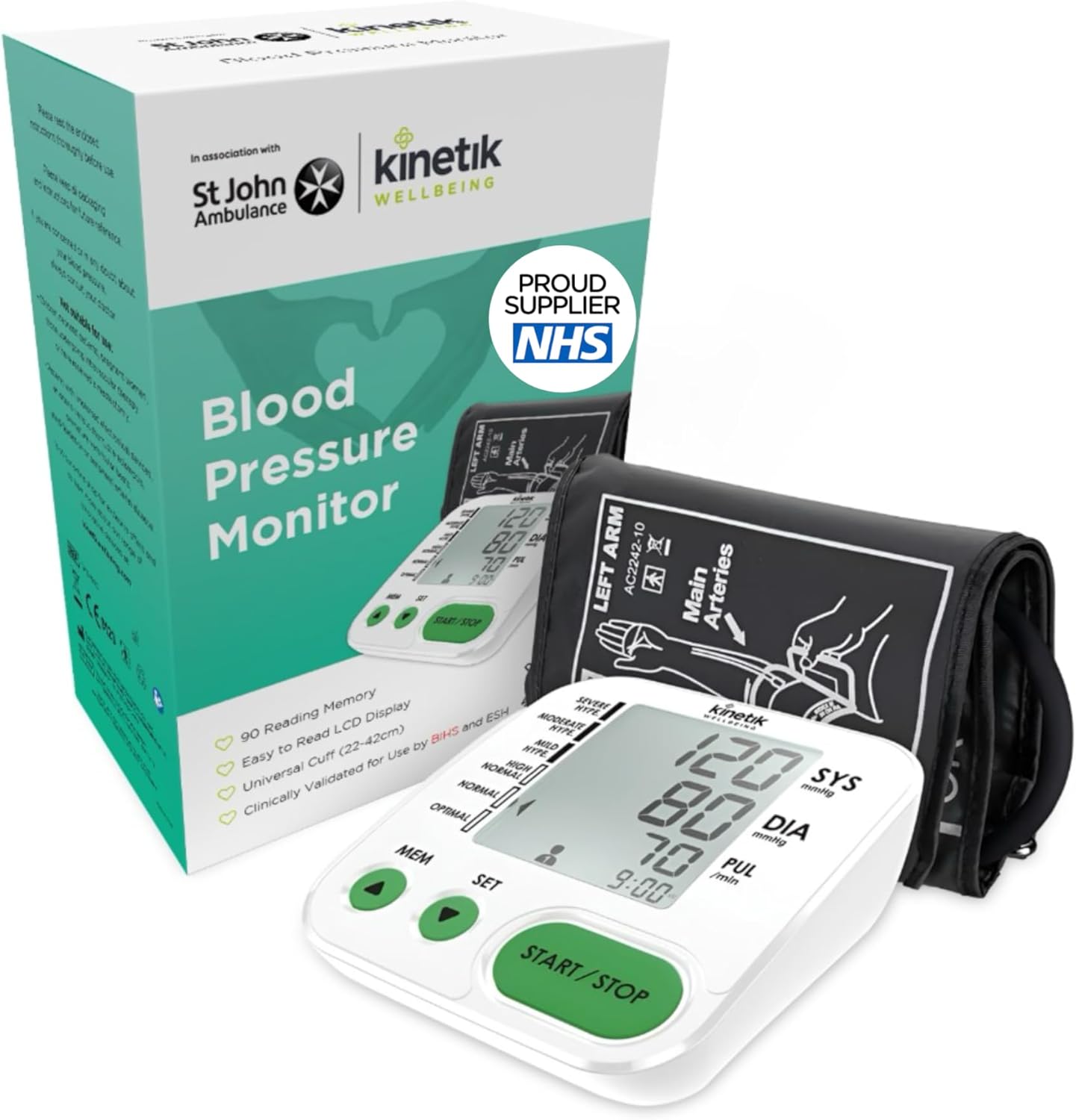
Kinetik Wellbeing Home Use Blood Pressure Monitor - Used by the NHS - Fully Automatic Upper Arm Blood Pressure Machine with Universal Cuff (22-42cm), Digital Sphygmomanometer Tester Kit

Harmful Effects of Coffee: What You Need to Know

a mug of freshly brewed coffee, surrounded by coffee beans. It looks delicious!

Introduction:
Coffee, with its rich aroma and energizing properties, has become an integral part of many people’s daily routines. However, it is crucial to understand that while coffee can provide a temporary boost, excessive consumption of caffeine can have detrimental effects on our health. In this blog post, we will explore the scientific evidence behind the harmful health effects of coffee and caffeine, supported by academic reports.

1. Disrupted Sleep Patterns:
Numerous studies have shown that caffeine intake, especially in the evening, can disrupt sleep patterns. According to a study published in the Journal of Clinical Sleep Medicine, consuming caffeine within six hours of bedtime significantly reduces total sleep time and impairs sleep quality. This disruption can lead to daytime drowsiness, decreased cognitive function, and an increased risk of accidents.

2. Increased Anxiety and Stress:
Caffeine acts as a stimulant, triggering the release of stress hormones such as cortisol and adrenaline. While moderate caffeine consumption may provide a temporary mood boost, excessive intake can lead to increased anxiety and stress levels. A study published in the Journal of Psychopharmacology found that high caffeine consumption was associated with increased anxiety symptoms in individuals with pre-existing anxiety disorders.

3. Digestive Issues:
Coffee, particularly when consumed in large quantities, can have adverse effects on the digestive system. Caffeine stimulates the production of stomach acid, which can lead to acid reflux, heartburn, and gastrointestinal discomfort. Additionally, excessive coffee consumption can act as a diuretic, increasing the frequency of urination and potentially leading to dehydration.

4. Dependency and Withdrawal Symptoms:
Regular consumption of caffeine can lead to dependency, as the body becomes accustomed to its effects. Abruptly reducing or eliminating caffeine intake can result in withdrawal symptoms such as headaches, fatigue, irritability, and difficulty concentrating. A study published in the Journal of the American Medical Association highlighted the prevalence of caffeine withdrawal symptoms among habitual coffee drinkers.

5.

Unfiltered coffee, such as French press or Turkish coffee, contains higher levels of certain compounds that can raise cholesterol and blood pressure. These compounds include cafestol and kahweol, which are naturally present in coffee oils. When consumed in unfiltered coffee, these compounds can increase the levels of LDL (bad) cholesterol in the blood, which may contribute to the development of cardiovascular issues. I talk about this in depth here

Additionally, unfiltered coffee can also temporarily raise blood pressure due to its caffeine content. Caffeine is a stimulant that can cause a short-term increase in blood pressure levels. However, it’s important to note that the effect of coffee on blood pressure can vary depending on individual sensitivity and overall health.

It’s worth mentioning that filtered coffee, such as drip coffee or espresso, typically contains lower levels of cafestol and kahweol due to the use of paper filters. Therefore, filtered coffee may have a lesser impact on cholesterol and blood pressure compared to unfiltered coffee.

Conclusion:
While coffee and caffeine can provide a temporary energy boost, it is essential to be aware of their potential harmful health effects. Academic reports have consistently highlighted the negative impact of excessive caffeine consumption on sleep patterns, anxiety levels, digestive health, and the development of dependency and withdrawal symptoms. Moderation is key when it comes to coffee and caffeine intake, and individuals should consider their own tolerance and sensitivity to caffeine. As with any dietary choice, it is always advisable to consult with a healthcare professional for personalized advice.

References:
1. Drake, C., Roehrs, T., Shambroom, J., & Roth, T. (2013). Caffeine effects on sleep taken 0, 3, or 6 hours before going to bed. Journal of Clinical Sleep Medicine, 9(11), 1195-1200.
2. Bruce, M. S., Lader, M., & Wing, L. (1992). Caffeine abstention in the management of anxiety disorders. Psychological Medicine, 22(04), 961-969.
3. Boekema, P. J., Samsom, M., van Berge Henegouwen, G. P., & Smout, A. J. (1999). Coffee and gastrointestinal function: facts and fiction. A review. Scandinavian Journal of Gastroenterology, 34(s230), 35-39.
4. Juliano, L. M., & Griffiths, R. R. (2004). A critical review of caffeine withdrawal: empirical validation of symptoms and signs, incidence, severity, and associated features. Psychopharmacology, 176(1), 1-29.