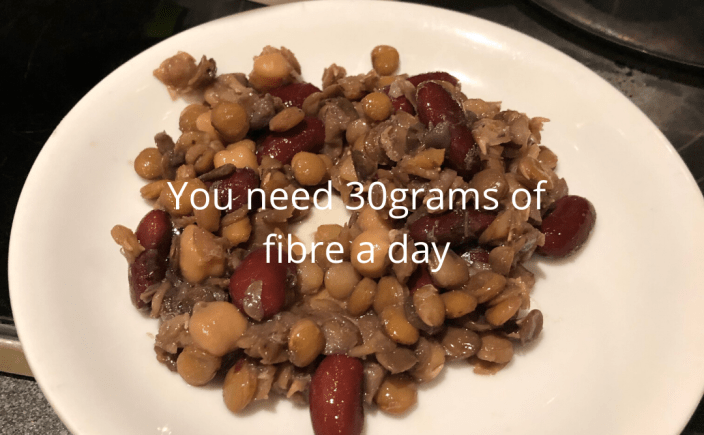
DWF: a morning in the gym and a pasta meal

Today, it looks like I’m in the gym in the morning, so I’ll probably do a basic deadlift, squat and press strength workout. Kate (my beloved) will either join me or go for a jog. Your choice, go to the gym, or go for a run ( or a mono structural cardio activity like a row, or a bike, or a Cross-trainer). btw, do go to the bottom of this post as there is a free kettlebell guide

The food I want to analyse is this spaghetti bolognese .

As a general point, when you decide to blend protein with other stuff ( be it a sauce or tomatoes or whatever), you’ll need to make judgement as how you divide the end product. So this is 255g of protein to be divided among 3 people( the zone block is 28g of beef , so Im slightly over allocating the required 84g to make 3 blocks). I’ve added a pepper, some garlic, some herbs, an onion, a glass of wine. I threw in a block of kidney beans (sorry, I had them, and I accidentally defrosted them). Ive not really counted in, but it is among 3 people. If I start obsessing about a pepper or onion, I think I’m screwed!

When I came to serve, i just divided it into 3 portions!

Here is the killer. Spaghetti is pure carb. To make 3 blocks I put in 36g of dried spaghetti, that I think gives me three blocks of carb.
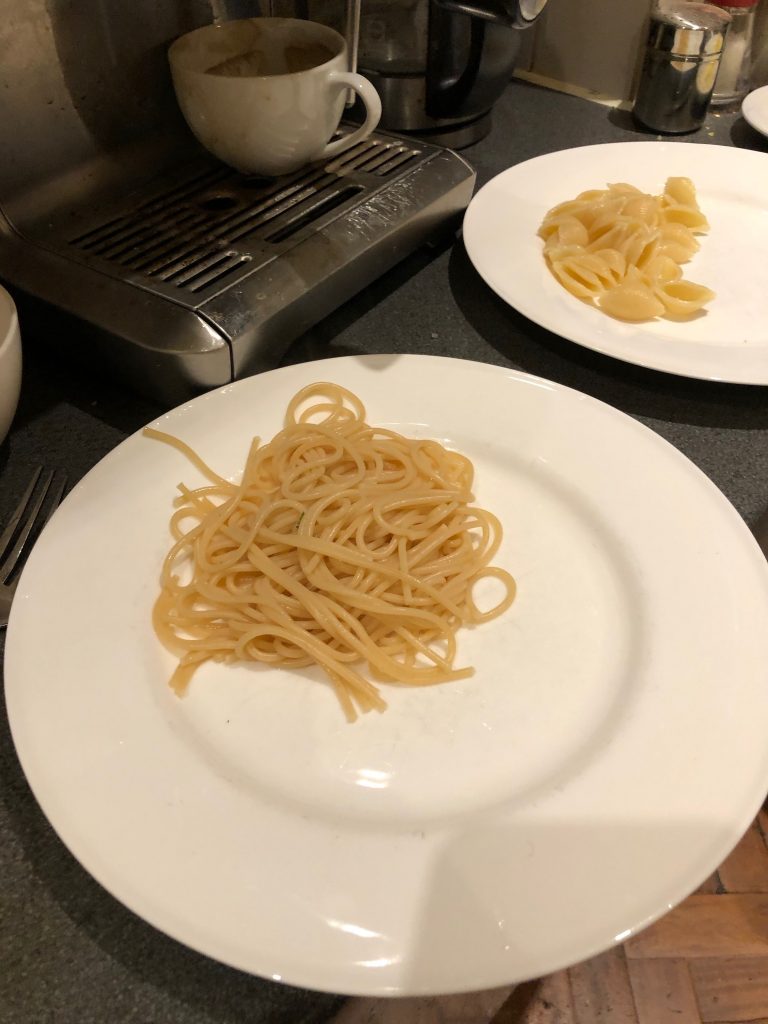
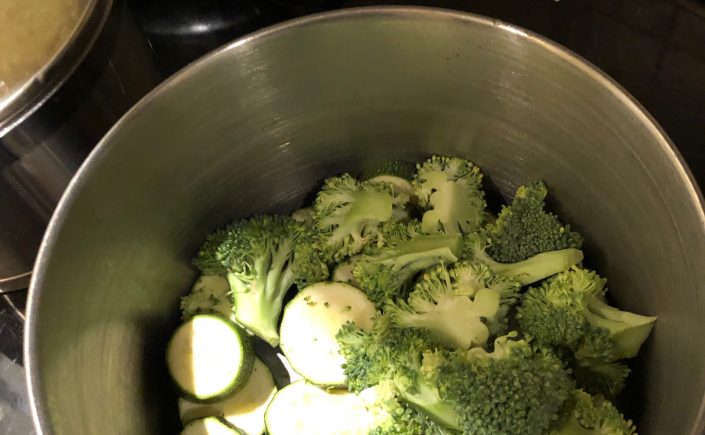
Knowing how sparse this would be, Ive added some green beans ( and ignored the minimal carb content)

It was a nice meal, although kate demanded a sprinkle of cheese.

Back to the exercise component

I constantly use kettlebells in my morning workouts. This old guide I wrote years ago may be useful. Have it for free!!
[emaillocker] https://andrewstemler.com/wp-content/uploads/2026/01/7bcd3-kettlebell-crossfit-london.pdf [/emaillocker]

DWF:an English Breakfast and a workout

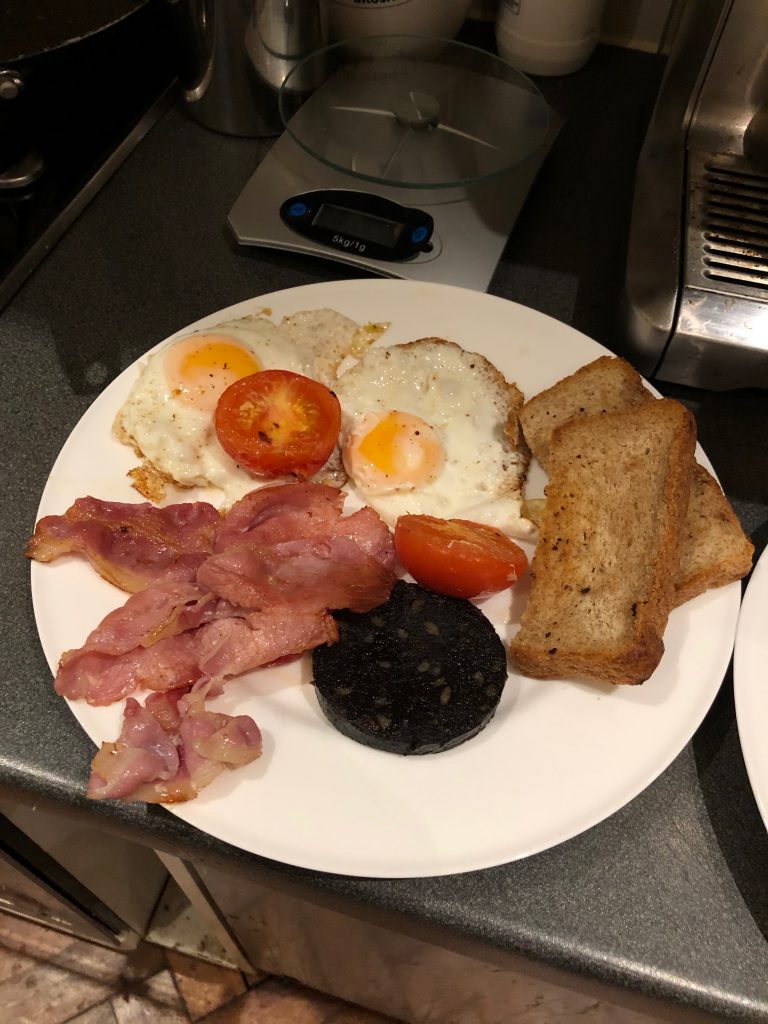
You have to learn to create manage and know your regular meals. Once a week we have this “fry up”

There is a bit of “rough and tumble” in my zone calculations my 2 eggs are 2 blocks, my 3 rashers of bacon is another block ( although Im going to get an exact gram measurement in the future) my fried bread is 2 blocks of carb and I define my 50g of black pudding as a carb block (9g of carb) and I sort of ignore the bit of protein floating about. After the photo, I sneaked a squirt of tomato ketchup and a cup of tea, so I’m probably unbalancing the block system and having a bit too much carb (so a possible insulin stimulating issuer) but its important that I give you an idea of what people do in the real world.

Im assuming the fried bread sucked up the balancing fat of 4 blocks

At the same time, I don’t mind the occasional 9g of carb mistake. Get your diet ok, not perfect.

Perfect is for losers.

WHAT IS YOUR TAKE AWAY?

Most people have regular meals. You’ll have a favourite breakfast, or dinner or snack. You may have it everyday, you may, like my breakfast, have it once a week. Here is your task. Put it into block form or, at the least workout its calorie content and how to control that calories/portion size content next time you make it.

Slowly you can build a library of carefully planned meals you can make without stress. Ideally the ingredients can be stored in your freezer, and you take them out the night before. Make it easy, make it doable! Join the mailing list below for future hints, or drop me a line if you need some one to one help Andrew@andrewstemler.com

TODAYS WORKOUT

squats, double unders, lunges and kettlebell swings, oh my !

with a constantly running clock, 3 rounds of

1 minute squats

1 minute double under

1 minute lunge

1 minute kettlebell swing

1 minute rest

x 3

Feel free to only do 30, or 45 seconds out of each work period. Feel free to pick up the kettlebell and use it in the lunges and squats. Enjoy

[mc4wp_form id=”832″]

Frozen vegetables

As I’m 60, it means I was brought up when freezers came in and changed our world.

However, even today, I hear people talk against using frozen vegetables. I use frozen vegetable extensively as they are cost effective, keep well and convenient. I ask my weight management clients to have stock in too!

I recently noticed a comment where someone suggested that the cheapie frozen veg available in the supermarkets that supply common folk like you and me, was inferior and to be avoided.

Just incase you have this doubt, check out “Mineral, fiber, and total phenolic retention in eight fruits and vegetables: a comparison of refrigerated and frozen storage” available here

What the report said was “Minerals, total phenolics, and fiber were analyzed in several fruit and vegetable commodities to evaluate the differences between fresh and frozen produce. Magnesium, calcium, iron, zinc, and copper were evaluated in corn, carrots, broccoli, spinach, peas, green beans, strawberries, and blueberries. Each commodity was harvested fresh and split into two batches. Half of each commodity was kept fresh, and the other half was frozen. The nutrient content was analyzed over three storage times per treatment. The retention of nutrients was highly dependent on the commodity, but the majority of the commodities showed no significant difference between fresh and frozen for all analytes (p ≤ 0.05)”

This report does imply that some vegetables are not as good as others as holding onto their frozen nutrients, but, when I get home in a rush, it’s great to reach into the freezer and know you have a portion of veg for the evening meal.

For those who want to dive into the exact difference between fresh food and frozen, I offer you Nutritional comparison of fresh, frozen and canned fruits and vegetables. Part 1. Vitamins C and B and phenolic compounds is an interesting report

To be even handed , if you can go and live in a farm or you have a fantastic garden, it must be great to reach out of the kitchen window and pluck some veg. Thats very rare, and to be honest, I remember my mother “blanching” our garden veg back in the 70’s when that lovely chest freezer arrived.

Outside in the vegetable patch , you can stagger your vegetable crops a bit, but the reality is that you’ll get a glut at sometime. So the freezer is your number one call. As a reflection, we went blackberry picking recently and loved it. We went again, then one more time, and now we cannot face the prospect of another blackberry. We should have frozen those later batches.

As a novel experience, blackberry picking is great. After a while, thank god for freezing!

[mc4wp_form id=”832″]

DWF: rest day

On this basic regime, its work for 3 days, rest on the 4th: ( btw DWF means “daily workout and food”)

Repeat.

I set the workouts based on the assumption that you have some dumbbells, a kettlebell and a slipping rope. Ideally you need to add dedicated strength workouts and gymnastics to your regime, but this workout aims to sling together enough elements to do a high intensity session. Often it’s the intensity of the session that will drive fitness results.

To be obvious , this regime doesn’t include pull ups, dips , olympic or power lifts, so it’s not a complete regime, but it gives your lower half, heart and lungs a time.

Each day, I try and give you some eating guidance based on the zone diet. Today, its some general information, a lazy cut and paste, about the zone diet (from the Crossfit Journal, issue 21)

“A block is a unit of measure used to simplify the process of making balanced meals.

7 grams of protein = 1block of protein 9 grams of carbohydrate = 1 block of carbohydrate 1.5 grams of fat = 1 block of fat (There is an assumption that there is about 1.5 grams of fat in each block of protein, so the total amount of fat needed per 1 block meal is 3 grams.)

When a meal is composed of equal blocks of protein, carbohydrate, and fat, it is 40 % carbohydrate, 30 % protein and 30% fat.

Pages 3 and 4 of the attached document

lists common foods, their macronutrient category (protein, carbohydrate or fat), along with a conversion of measurements to blocks.

This “block chart” is a convenient tool for making balanced meals. Simply choose 1 item from the protein list, 1 item from the carbohydrate list, and 1 item from the fat list to compose a 1 block meal. Or choose 2 items from each column to compose a 2 block meal, etc.

Here is a sample 4 block meal:

4 oz. chicken breast 1 artichoke 1 cup of steamed vegetables w/ 24 crushed peanuts 1 sliced apple

This meals contains 28 grams of protein, 36 grams of carbohydrate, and 12 grams of fat. It is simpler, though, to think of it as 4 blocks of protein, 4 blocks of carbohydrate, and 4 blocks of fat.

Even if you are going to slop on the couch, see if you can sneak in a bit of better movement.

From bad to bridge: most positions can be tweaked so you can sneak in a bit of exercise.

[mc4wp_form id=”832″]

Before you start that diet: ask yourself some questions

I’m not really that into navel gazing. I came from a  religious family so I’ve had my fill of sitting quietly. On top of my christian praying and reflecting  experience, my mother and brother even  fell for that 1970’s transcendental meditation craze. So I had to put up with that too. Being 14 and being made to meditate wasn’t fun.

Never the less  there are some lessons to be learned from “sitting with yourself”  or  as Socrates said,  “the unexamined life is not worth living”. To sensibly ask yourself questions is actually a good idea. To actually listen to the answers is probably better!!

So you’ve decided, once again to lose weight. This time, rather than just jumping on the first weird diet you can think of, why not ask yourself some questions. Here are some useful ones.

Spend a bit of time thinking about the past ( both recent and longer term). Not too much, otherwise you can lose yourself in the mists of time. But get a handle of your history. 

Are you  overweight now?

Why are you overweight? (This is  a very stark, rude question, but was it illness, unhealthy eating, too much food, not enough exercise etc).

Have you ever lost weight before?

If so, what helped?

and what hindered?

Ok, so you have lost weight in the past! What made you put the weight back on?

Ok, thats your past, or as much as you realistically need to consider, what are your views and targets now?

Are you looking for a  short term  fix (a wedding in 2 weeks), or are you prepared to have a long term target

To be successful you need to change your approach to food, weigh and measure, change choices, record your eating habits, and exercise, and all this will no doubt make you feel uncomfortable. So, on a scale of 1 to 10 (10 is high)  answer these questions.

Be honest, as we can all want to lose weight but not have much motivation because we know it’s hard work?

How motivated are you to lose weight?

How motivated are you to change your eating habits?

How motivated are you to increase your physical activity?

Will you try new strategies/techniques for changing your eating, exercise, and other behaviours?

Are you prepared to spend time studying reading materials  about nutrition ?

Will you record your exercise  and everything you eat and drink,?

Will  you  change your eating habits?

 Will  you be able to work regular physical activity into your daily schedule?

Will  you be able to exercise  and be active most, if not everyday?.

If you make a mistake, have  a lazy day, or give into temptation, can you forgive yourself, and “get back on the programme”?

Do you have an emotional connection with food?

Do you eat more when you are upset, annoyed or miserable?

Do you eat to celebrate?

If you have  confrontation, do you seek comfort in food to calm down?

A SERIOUS BIT

Think about this question carefully?

Have you ever purged (used laxatives, diuretics, or  vomiting) to control your weight?

If yes,  is this “often” (About once a month  A few times a month  About once a week  About three times a week  Daily.)

If purging is part of your present weight loss strategy, and you feel unable to stop, you probably need to chat to your doctor who could get you some  one to one support to deal with this issue

Thats just the tip of the iceberg. If you’d like more help or thoughts on managing your weight, do join the mailing list of email me directly on Andrew@andrewstemer.com

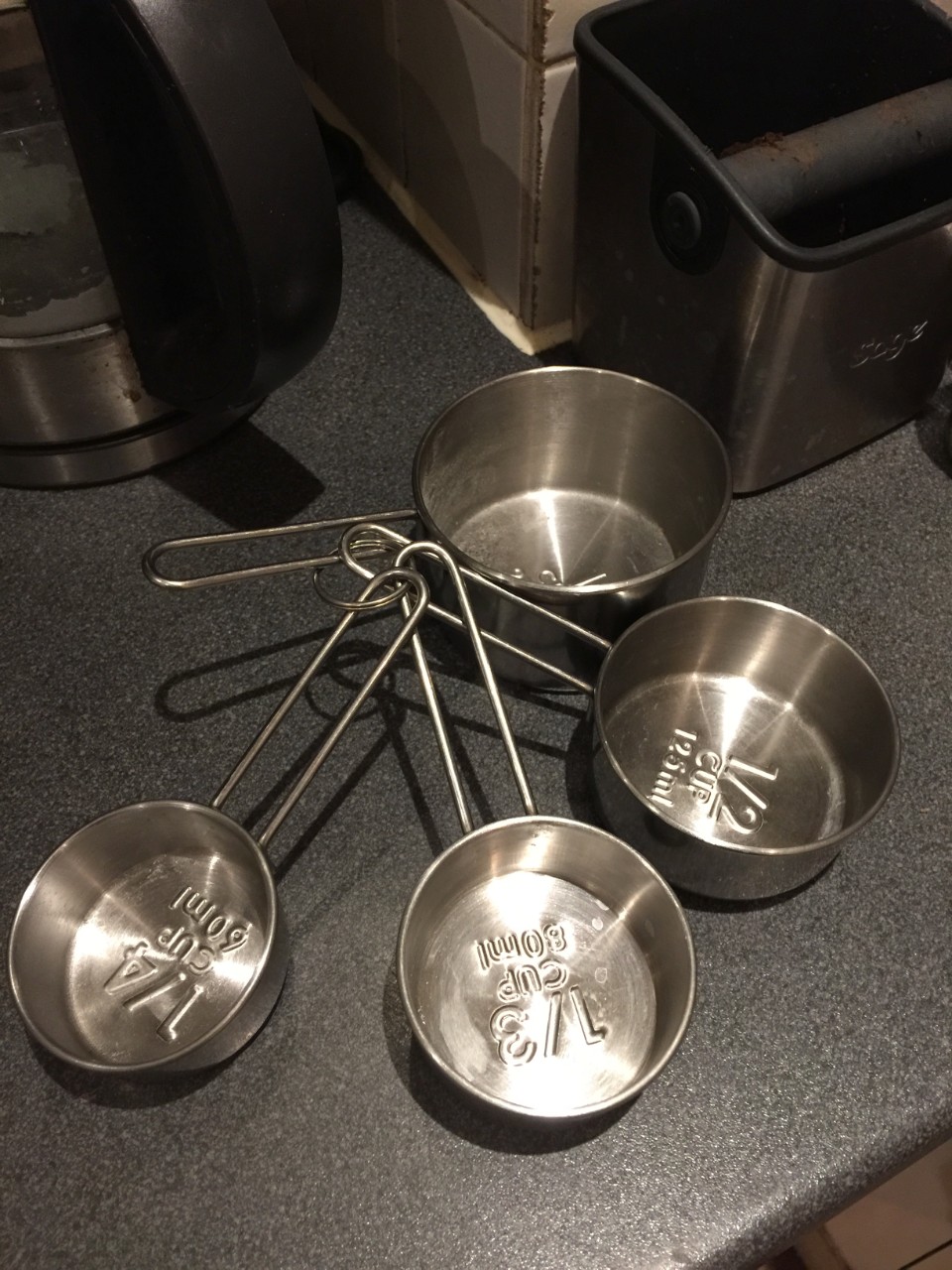
Measuring cups

Over the years, Ive spoken to a lot of people about food and quantities of food. Whenever I’ve checked that the would be dieter has a set of cups, everyone , everyone goes “yes”.

Just to confirm, I say ” do you have a set of cups?” they say, “Yes”.

In 9/10 times these people are lying, or are very ignorant, or very stupid.

A set of cups is a specific way of measuring quantities.  Here is a pictureandrew stemler cups

You can buy them online. Here are some cheap plastic ones and here are some more expensive stainless steel ones.

As much as I hate the smart arse phrase ” if you’re not measuring you’re guessing“: in food, its spot on.

At costs ranging from £1.35 to £12 you really do need to get some way of measuring food!

Hippy protein: the Game Changers effect.

The recently release film (documentary) the Game Changers has brought “meat free” protein sources back to the top of the nutritional agenda. It seems you no longer need to be a tree hugging hippy to see if you can get your protein from none meat sources.

For years there has been a grumble of bad PR about red meat and processed meat, although some dispute that meat has any down side.

That said, its  now worth while noting the growth of  this concern about the constant consumption of meat both from a health and environmental cost perspective . So it’s as well to experiment with plant protein and at the  very least, least mix it up a bit.

The fact that  James Cameron, Arnold Schwarzenegger and Jackie Chan all got together to support a film that promotes ” more veggie” is in itself worth noting.

So here is an outline of some useful veggie sources of protein. (BTW a CUP is a specific measure)

Green Peas. One cup is about 8 grams of protein. I love peas.

Quinoa. 8 gm a cup! Includes all nine essential amino acids . Ive never tried it. I must!

Beans.  Two cups of kidney beans, for example, contain about 26 grams. But buying them and soaking them is a bit of bind, so buy them in can form!

Tempeh and Tofu. Ive never liked these. I always though soya was a genetically modified alien that stuck to your face, laid eggs in your tummy that exploded through your abdomen. I could be wrong. Allegedly contains about 15 and 20 grams  of protein per half cup. But, I must try again.

Edamame: Soya as god intended. Boiled edamame contains 8.4 grams of protein per half cup. Must try it. Having written that, Im already anxious.

Leafy greens cabbage and stuff. I love these, but Ive never really thought of them as a protein source. Allegedly two cups of raw spinach contain 2.1 grams of protein, and one cup of chopped broccoli contains 8.1 grams.

Hemp seeds. If you can resist planting them out under high pressure sodium lights to make drugs,10 grams of protein in 3 tablespoons.

Chia seeds. 4.7 grams in 2  tablespoons. But really ” TWO TABLESPOONS”. Thats a lot to hide

Sesame, sunflower and poppy seeds. Throw these in your earth saving muesli volume, sunflower seed 7.3 grams of protein per quarter cups. Sesame seeds and poppy seeds ( per 1/4 cup) at 5.4 grams each.

Seitan. Never tried it, seen it, or heard about it until now ( 2019 really is my year)!!. But basically, it’s a wheat gluten. So whilst middle class folk are swooning from gluten intolerance,  the hippies are chowing down on it. 75gms of protein in 100 gms.

Chick peas 7.3 grams of protein in just half a cup, and are also high in fiber and low in calories.

fibre

According to the British  Nutrition foundation the government in 2015 published new guidelines with a recommendation that the population’s fibre intake should increase to 30g a day for adults (aged 17 years and over).

 Age (years)
 Recommended intake of fibre
 2-5  15g per day
 5-11  20g per day
 11-16  25g per day
 17 and over  30g per day

here is a fun fibre video

According to the British Nutrition Foundation

Fibre helps to keep our digestive system healthy and helps to prevent constipation. For example, fibre bulks up stools, makes stools softer and easier to pass and makes waste move through the digestive tract more quickly.

The European Food Safety Authority suggests that including fibre rich foods in a healthy balanced diet can improve weight maintenance. Dietary fibre can reduce your risk of:

  • Cardiovascular disease (heart disease and stroke) and type 2 diabetes
 Foods such as oats and barley contain a type of fibre known as beta glucan, which may help to reduce cholesterol levels if you consume 3g or more of it daily, as part of a healthy diet.
  • Colorectal cancer (bowel cancer)
Did you know that the World Cancer Research Fund (WCRF) estimate that 45% of bowel cancer could be prevented through diet, physical activity and weight?

Fibre and bowel cancer
We know that dietary fibre may help to protect against bowel cancer. Although the reasons for this are not fully understood, this may be because fibre increases stool size, dilutes content and moves it faster through the gut so the amount of time waste products stay in contact with the bowel is reduced. Some types of fibre may also help gut bacteria produce helpful chemicals that can have beneficial effects on the bowel (see below).

Fibre and good bacteria
Research has increasingly shown how important the bacteria in our gut may be to our health, and it has been suggested that a fibre rich diet can help increase the good bacteria in the gut.  Some fibre types provide a food source for ‘friendly’ gut bacteria helping them to increase and produce substances which are thought to be protective such as short-chain fatty acids.

Small cafes should publish calorie content of their food

According to todays telly, there are moves a foot to make small cafes and  food bars publish  (or display) the  calorie value of the food they serve.

To my surprise , the story wasn’t “about time” it was”poor small traders who will go bankrupt because they  have to workout the calorie value of the food they serve”

The poor dears.

I’d suggest that if you have a decent menu range , think old fashioned greasy spoon cafe, it could take,  maybe 2 hours to knock up this info. The reality is, if you don’t know the calorie value of the food you serve, maybe, you shouldn’t be dishing it up.

There are hundreds of easy to use calorie calculating resources.

We know we have an obesity crisis. We need to start dealing with it.