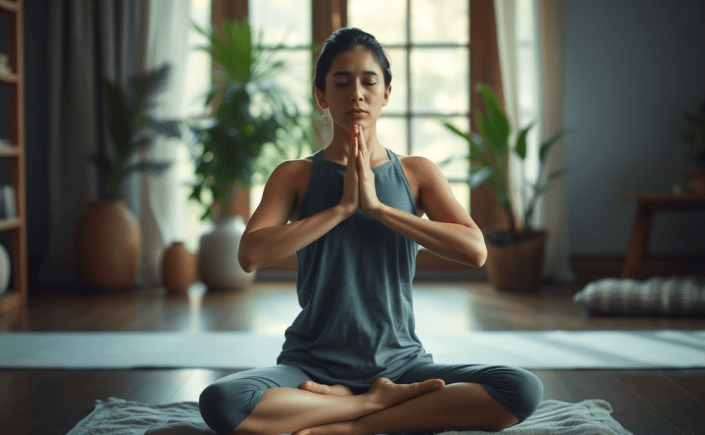
I was asked recently how to improve your breath holding capacity from 45 seconds to 2 minutes
Here are some training ideas that focuses on improving lung capacity, diaphragmatic strength, and your ability to tolerate higher levels of carbon dioxide (CO₂). This is a gradual process, and it’s important to stay relaxed and avoid overexertion during the exercises. Here’s a structured plan to help you achieve this goal:
Daily Training Regime (15-30 minutes per day)
- Warm-Up (5-7 minutes) • Deep Breathing (2 minutes):
• Sit or lie down comfortably. Inhale deeply through your nose for 4 seconds, hold for 2 seconds, then exhale slowly through your mouth for 6 seconds. Repeat for 2 minutes. This will help relax your mind and body while improving your lung capacity.
• Diaphragmatic Breathing (3 minutes):
• Place one hand on your chest and the other on your abdomen. Breathe deeply through your nose, expanding your diaphragm (your belly should rise, not your chest). Exhale slowly through pursed lips. Practice slow and controlled breathing for 3 minutes to strengthen your diaphragm. - CO₂ Tolerance Training (5-10 minutes)
This helps you build tolerance to higher levels of CO₂, allowing you to hold your breath for longer without feeling the urge to breathe.• CO₂ Tables (4-6 rounds): • Inhale deeply and hold your breath for as long as you comfortably can (start with 30-40 seconds). After each hold, take a recovery breath for 1-2 minutes, gradually reducing your recovery time by 10-15 seconds each round. • Example: 30-second hold, 1:30 recovery, then 30-second hold, 1:15 recovery, and so on. Repeat for 4-6 rounds. Over time, increase your breath-hold duration and decrease your recovery time.
- Breath-Hold Training (8-10 minutes)
This helps condition your body to hold your breath for longer durations.• Static Breath Holds (5-6 rounds): • Take 3-5 deep breaths, then exhale about 80% of your air and hold your breath for as long as possible (comfortably). • Between each breath-hold, take a full 1-2 minute recovery with slow, relaxed breaths. Aim to hold your breath longer with each round. • Gradually extend your holds (start with 45-60 seconds and increase toward 2 minutes over time).
- Lung Capacity and Strength (5-7 minutes) • Pursed Lip Breathing (2 minutes):
• Inhale deeply through your nose, and then exhale slowly through pursed lips as if you’re blowing through a straw. This strengthens your lungs and improves air exchange.
• “Box Breathing” or “4-4-4-4” Breathing (3-5 minutes):
• Inhale for 4 seconds, hold your breath for 4 seconds, exhale for 4 seconds, then hold your breath again for 4 seconds. Repeat for 3-5 minutes. This helps increase your breath control and lung capacity.
Other Tips:• Consistency: Train daily but avoid overexerting. Focus on steady, gradual progress. • Stay Relaxed: Avoid tensing up during breath holds. Relax your body, especially your diaphragm and chest. • Hydration and Diet: Staying hydrated helps keep your lungs in optimal condition. A healthy diet rich in antioxidants can improve respiratory health. • Mindset: Mental relaxation is crucial during breath-holds. Practice mindfulness or meditation to calm your mind and manage the urge to breathe.
Weekly Progression:• Week 1: Get comfortable with 45-60 second holds. • Week 2: Aim for 60-90 second holds. • Week 3: Push towards 90 seconds to 2-minute holds. • Week 4+: Continue refining your technique, maintaining relaxation, and extending your breath-holds as you approach 2 minutes.
By consistently following this training routine, you should gradually increase your breath-holding capacity and reach your goal of holding your breath for 2 minutes.






 Andrew Stemler