In the realm of fitness and strength training, there’s a hidden gem that’s been gaining traction for its remarkable benefits – isometric training. If you’re on a journey to enhance your physical prowess and overall health, integrating isometric exercises into your routine might be the missing piece you’ve been searching for. In this article, we’ll delve into the advantages of including an isometric regime into your training, and how it can help you reach your fitness goals faster than you ever imagined.
- Understanding Isometric Training
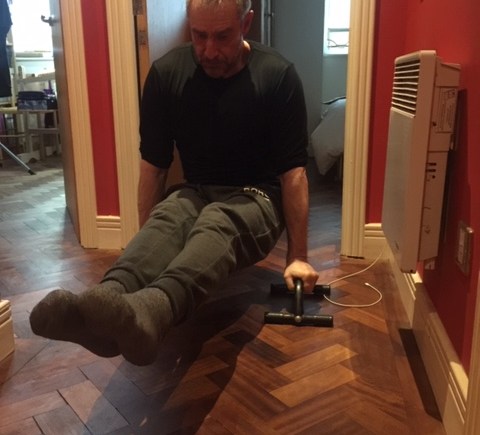
Before we dive into the benefits, let’s clarify what isometric training is all about. Unlike traditional resistance exercises that involve moving a weight, isometric exercises involve holding a static position without any visible movement. This might include planks, wall sits, or even pushing against an immovable object. The key here is the contraction of muscles without changing the muscle length.
- Efficient Use of Time
In our fast-paced lives, time is of the essence. Isometric training offers a solution by providing efficient workouts that yield impressive results. Since isometric exercises can be done anywhere and require minimal to no equipment, you can integrate them seamlessly into your daily routine. Spending just 10-15 minutes on isometric exercises can target multiple muscle groups, making your workout time highly productive.
- Increased Muscle Endurance
Isometric exercises challenge your muscles to maintain a contraction for an extended period. This prolonged muscle engagement leads to increased muscle endurance. Improved muscle endurance not only helps you power through your workouts but also enhances your overall physical performance in various activities, from running to sports.
- Joint Stability and Injury Prevention
Isometric training focuses on stabilizing muscles and joints. By holding static positions, you engage smaller, stabilizing muscles that are often neglected in traditional exercises. This contributes to better joint stability and reduces the risk of injuries. Stronger stabilizers mean a more balanced physique, which can have a positive impact on your posture and daily movements.
- Plateau Buster
If you’ve hit a plateau in your strength gains, isometric training can be a game-changer. The unique nature of isometric exercises challenges your muscles in a different way compared to traditional dynamic movements. This variety can help break through plateaus and spark new muscle growth.
- Time-Under-Tension for Muscle Growth
Isometric exercises create prolonged time-under-tension for your muscles, which is a key factor in muscle growth. The sustained contractions recruit more muscle fibers and increase metabolic stress, promoting hypertrophy (muscle growth). Incorporating isometric exercises alongside your regular routine can lead to well-rounded muscle development.
- Convenience and Minimal Equipment
One of the most enticing aspects of isometric training is its versatility. You can perform these exercises virtually anywhere – at home, in the office, or even during travel. The need for minimal to no equipment means you’re not dependent on a gym, making it an accessible option for all fitness levels.
Conclusion: Elevate Your Fitness Journey with Isometric Training
Incorporating isometric exercises into your training regimen can open up a world of benefits that traditional exercises might not offer. From increased muscle endurance and joint stability to breaking plateaus and convenient workouts, isometric training is a powerful tool that deserves a place in your fitness routine. As you embark on this exciting journey of strength and balance, remember to start slowly, focus on proper form, and gradually challenge yourself to reach new heights of fitness.


 .
. in 1966 “without special apparatus and without moving a muscle you can grow stronger and build, or reshape your body to nearer your hearts’ desire. The static contraction has been part of physical culture systems for a very long time. Hatha yoga contains postures held without movement”.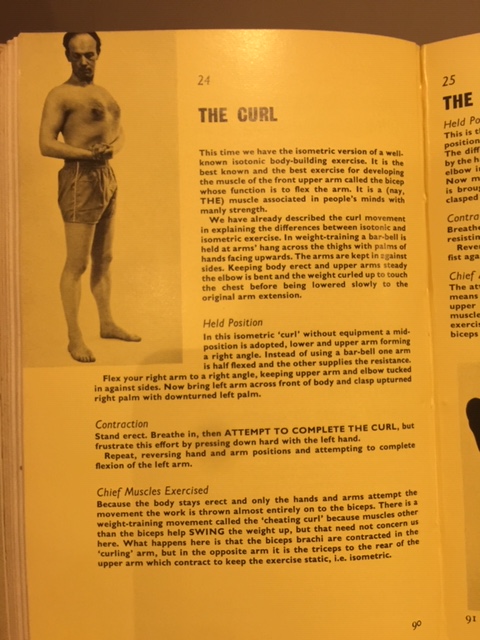


 Andrew Stemler