Here are some quick workout ideas for you
Day 1:
Max thrusters followed by 100-200m recovery jog: repeat: for 10 minutes
Day 2:
10 Ring Rows, 10 walking lunges, 10 burpees amrap 10 minutes
Continue reading
Here are some quick workout ideas for you
Day 1:
Max thrusters followed by 100-200m recovery jog: repeat: for 10 minutes
Day 2:
10 Ring Rows, 10 walking lunges, 10 burpees amrap 10 minutes
Continue reading
However you structure your training life, you need rest days. You only get stronger from recovering from training, not training itself. You want the adaptation, resting gets you that adaptation ( slowly of course, otherwise everyone would look as gorgeous as I do)
Continue readingMany have a bout of back pain, then think no more of it. Often you get a second bout! In some cases it turns into chronic long lasting pain that has you demanding pointless MRI’s and screaming for painkillers like an addict.
This could be your opportunity to live the rest of your life back pain free. Whilst the isometric flexion tests is only one of many tests, it’s a very useful one. Hook your feet under an object ( or get someone to hold them down) and sit up to 45 degrees with your arms crossed across your chest. Ideally your back is held in a “neutral spinal position”.
Time how long you can hold this position?
The standards are these: men need to be able to hold this position for 136 seconds, women 134 seconds. Less is a substantial risk factor for future back pain.
If you thought your core was great because you can do lots of “functional fitness” sit ups and weird crunches, but you fail this test, you need to add soem very specific training to your regime asap.
Incase its news to you, your core needs to be able to isometrically contract all day long to support your spine! This test is a very good indicator if you are preparing for that Functional task.
Join the mailing list so I can help you stay pain free!
[mc4wp_form id=”345″]
The big warning.
Some back pain is really serious: check your RED FLAGS by clicking here
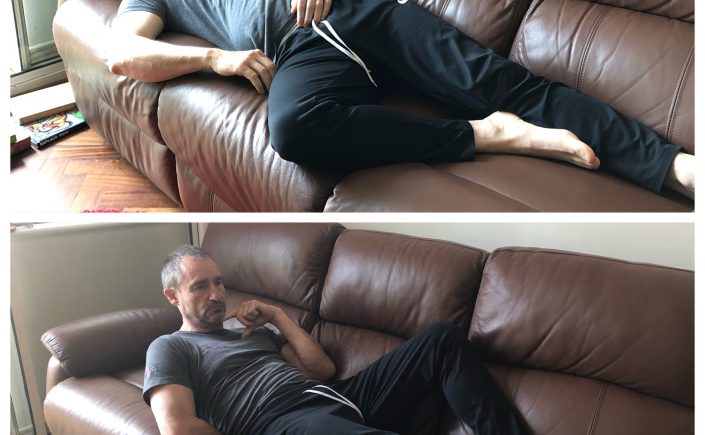
No matter how badly or poorly you have run, jogged, or staggered 20 meters plus, there will always be a fitness motivator screaming “good job, you lapped the guy on the couch”
Its sort of true, but at the same time they lapped everyone doing a static exercise: they lapped the person doing pull ups, deadlifts, the olympic lifts, bicep curls and hundreds of other stationary exercises: they lapped the guy doing burpees and tuck jumps, they lapped everyone on a concept 2 rower or an assault bike.
During fits of depression, or good old fashioned laziness, it super easy to crawl onto a couch and crash out. This means that deciding to get up, change, walk out the door and start jogging can be a super barrier.
I remember lying on the couch staring at the floor being unable to roll off and do one push up.
To build new habits and behaviours, they really need to be modelled on existing habits and behaviours. It’s very difficult to abandon bad behaviours, so its best to use them if you can.
If it’s a racing certainty that you will throw yourself onto the couch in the next few hours, connecting the couch with exercise could be the most effective exercise improvement you can make. This is crucial if you find yourself locked down.
As a quick example I’ll use the curl up abdominal exercise. Its fairly easy to change from a couch slump
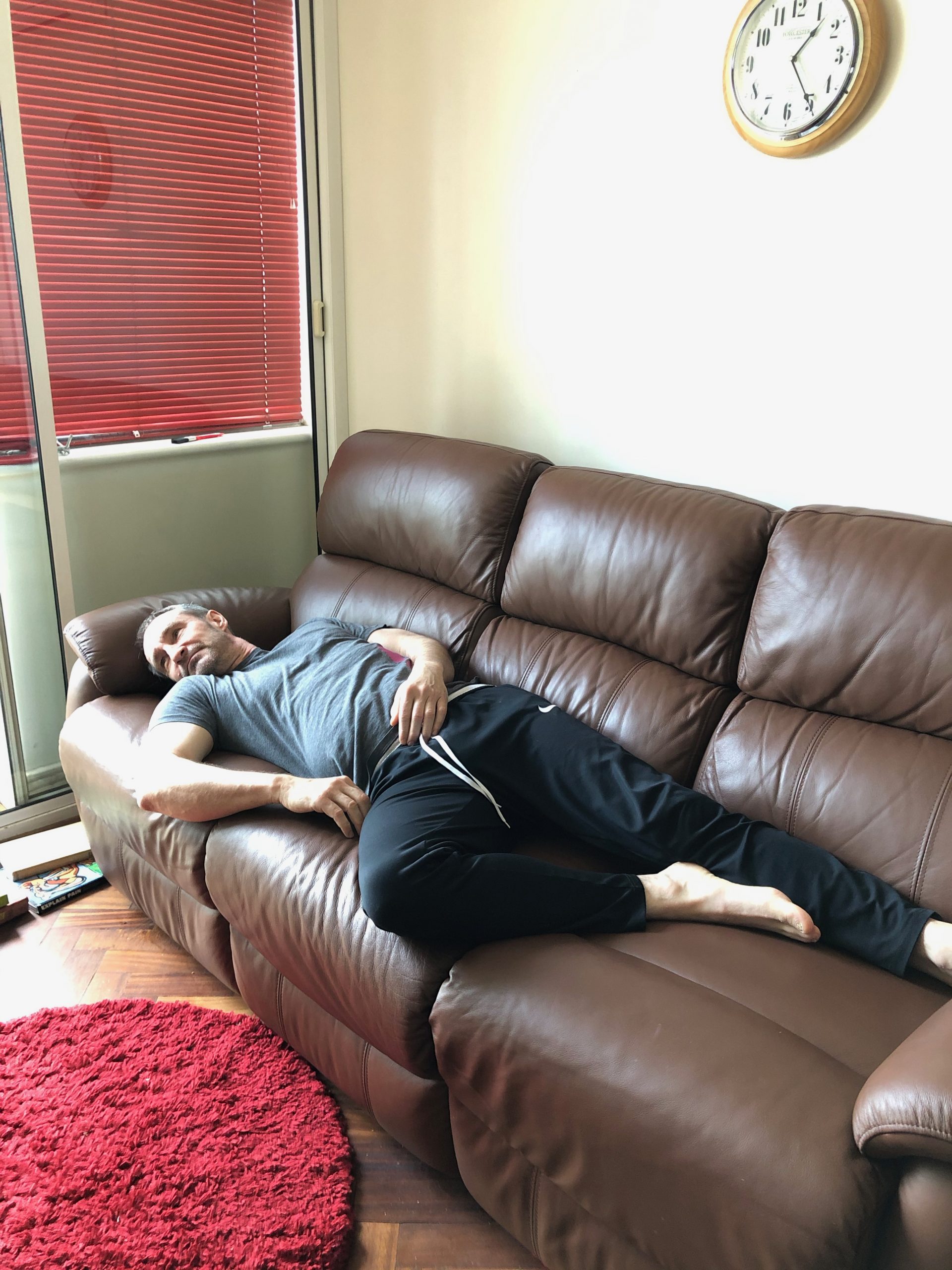
into something fairly near a therapeutic curl up!
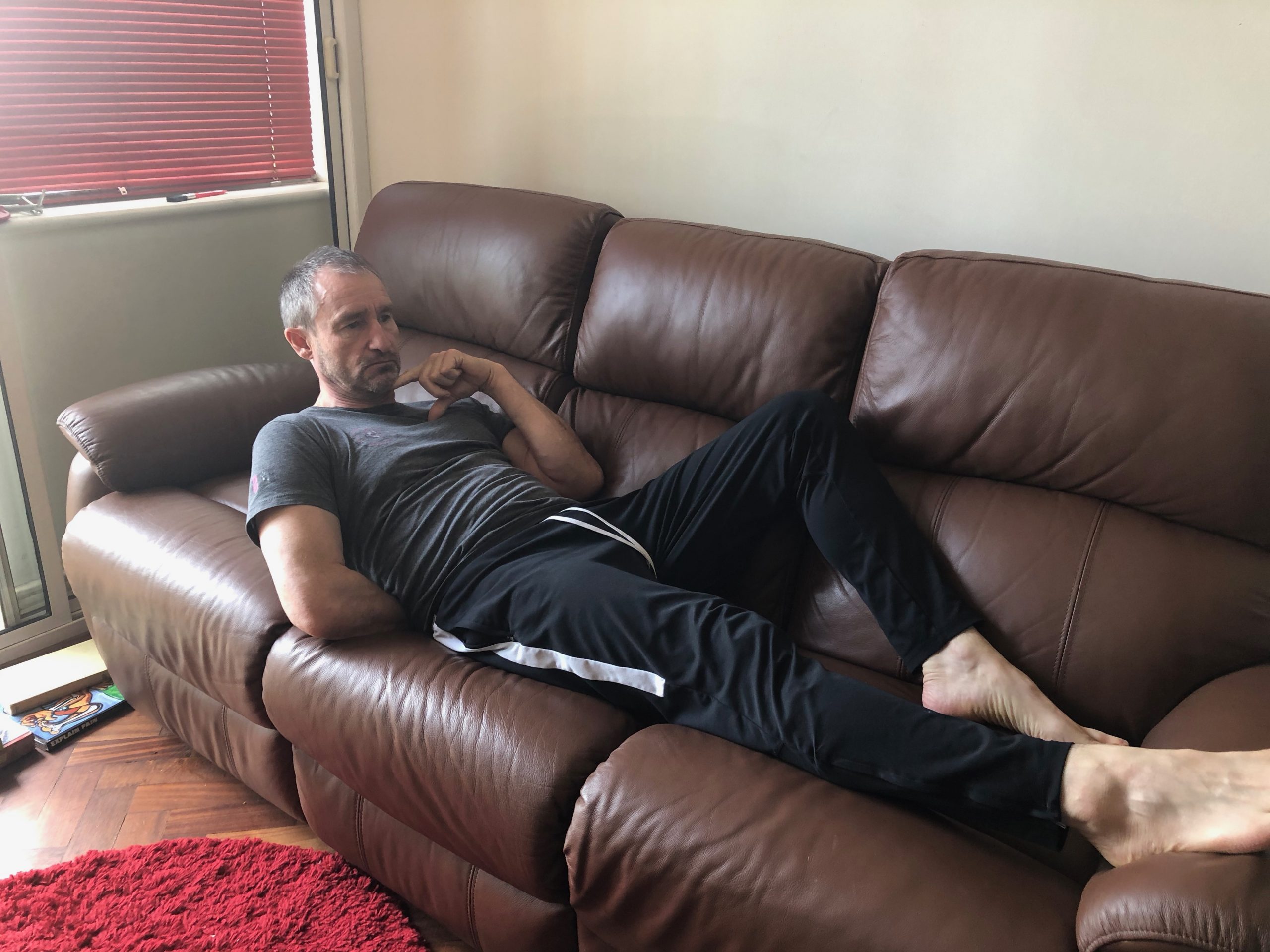
Over the next few months, I’ll be showing you how you can get fit on your couch. moving from a slump into an effective exercise.
Obviously this is a great stand alone (lie alone) exercise. You don’t have to get on the couch to do it!
[mc4wp_form id=”832″]
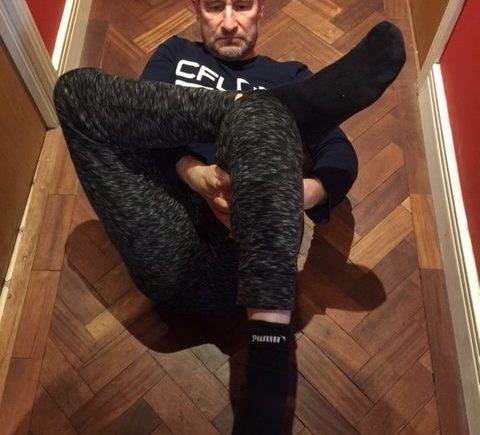
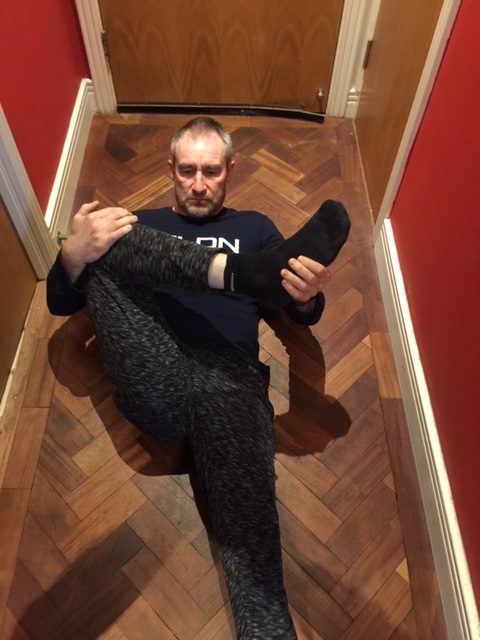
There are loads of fantastic stretches for your glutes ( your bottom muscles) . These are seen as the biggest, strongest muscle the body has, and is the one that really powers most human movement.
It’s crucial to build a supple muscle . Today, I’m just getting you used to this”easy” lie on your back stretch. Simply cross one leg over the over in a figure of 4 shape and pull the “4” towards you (see above). You’ll feel a great stretch.
If that doesn’t work for you, isolate the core of this moves by grabbing your leg and ankle so you can see what you have to do to get the stretch to work. Focus on pulling the knee up towards your chest, with a pull across your body (see below).

Having great flexible shoulders can make your day to day life much easier and improve your posture, as well as your gymnastics!
Basically, can you make you hands meet behind your back? If so, you are well on the way to some really useful shoulders, if not, this is your first port of call. Develop your shoulders individually, both the reaching down and the stretching up parts.


Work on these sub-stretches, with some other drills we will show you, and your shoulders, too, will become lovely.

This is quite a classic stretch. I remember doing this back in the 1990’s.
Sit down, stick one leg out straight with the sole of the other foot facing the inside of your straight leg.
Bend forward from your hips, not your back. Hold for 10-60 seconds, or 3,4,5, sets of 10 seconds.
Some calming rhythmic breathing is always handy. Some talk about adding meditation. I must I admit I stretch while watching TV!
As a test, it’s worth noting that whilst your hamstring ( the back of your leg) will feel tight and engaged, if you poke the top of your (straight )leg, it (the quadriceps) will feel relaxed.
Obviously, do both sides.
There will be more hamstring stretches as we develop into the full splits.
Subscribe to our stretching newsletter!
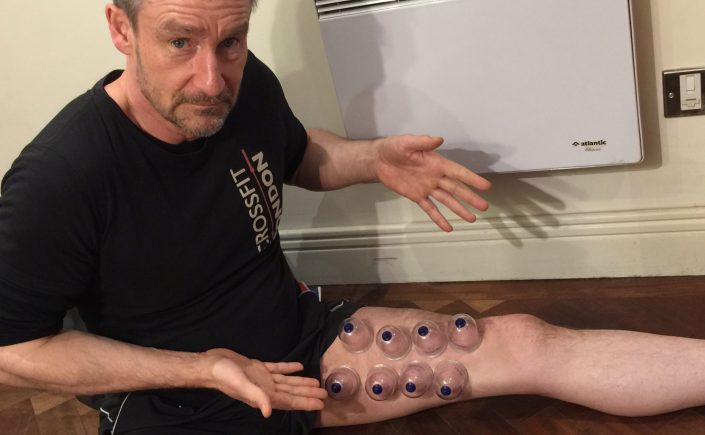
The bigger your flexibility tool kit, the better your flexibility training will go. So, it was fun to come across “Effect of Cupping Therapy on Range of Motion, Pain Threshold, and Muscle Activity of the Hamstring Muscle Compared to Passive Stretching” It’s a fascinating read.
Kim et al, set out to review the effects of cupping on flexibility. The conclusion was that cupping therapy has a positive effect on flexibility equal to passive stretching. Allegedly more convenient and easier to work on patients than passive stretching. Therefore, cupping therapy should be considered as another option to treat range of motion issues.
They tested this protocol: “Cupping therapy was applied to the hamstring muscle for 5 minutes in the cupping therapy group. The passive stretching group was treated with a passive stretching for 10 seconds and repeated 9 times”
This is the same result that Lacross, 2014 found. Cupping therapy may induce a change in flexibility (equal to passive stretching). Maybe cupping actually gets into the tissues! This depth of effect , allegedly, increases the neurophysiological activity at the level of nociceptors, the spinal cord, and other nerves, and ultimately leads to significant relaxation (Musial et al., 2013). Cupping has also been found to affect the body up to four inches into the tissues (Hanan and Eman, 2013).
So, yes to cupping. Its fairly cheap, quite safe and a good DIY thing if you make sure you are suitable for this treatment. Bound to be good for facebook and instagram photos. Get a cheapie set for £35
References
Lacross ZT. Treatment Outcomes of Myofascial Decompression on Hamstring Pathology. 2014.
Musial F, Spohn D, Rolke R. Naturopathic reflex therapies for the treatment of chronic back and neck pain-Part 1: neurobiological foundations. Forsch Komplementmed. 2013;20(3):219-24.
Hanan S, Eman S. Cupping therapy (Al-Hijama): It’s impact on persistent non-specific lower back pain and client disability. Life Sci J. 2013;10:631-42.
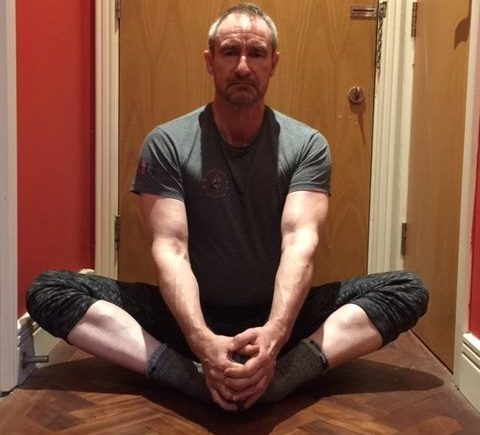
A great starting stretch, as, in simple terms, all you have to do is to plonk yourself down on the floor (bed, bench, loo) put the soles of your feet together, grab them, and lean forward from the hips.
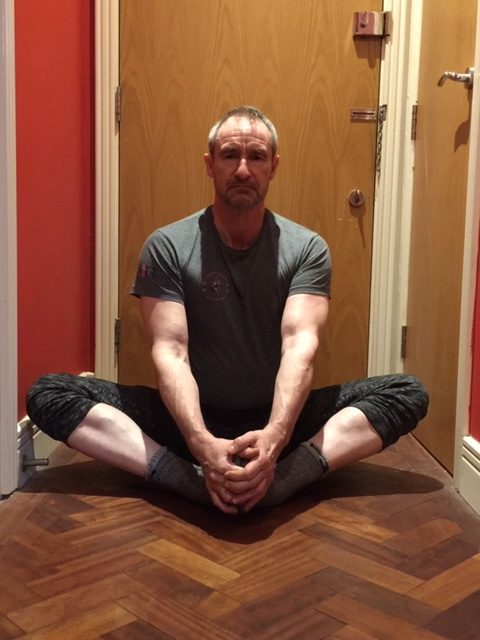
Simply, pull your elbows to the floor, or lean form the hips to build the stretch which you’ll feel on the inside of your upper legs.
You’ll find that once you have held a stretch, it starts to ease off as the body gets used to it. This could be an opportunity to improve the stretch by pulling or maybe pushing your knees to the floor, or leaning further forward from your hips.
If you train in a leisure centre, you’ll be told to do this for 10 seconds. However, the modern evidence is that stretches need to be held (or accumulated) for up to 2 minutes and beyond. Start off gently and build time time in the stretch sensibly.
We will show you lots of variations to this stretch.
The fire brigade fitness tests are quite fun and interesting, and can be found here
 Andrew Stemler